
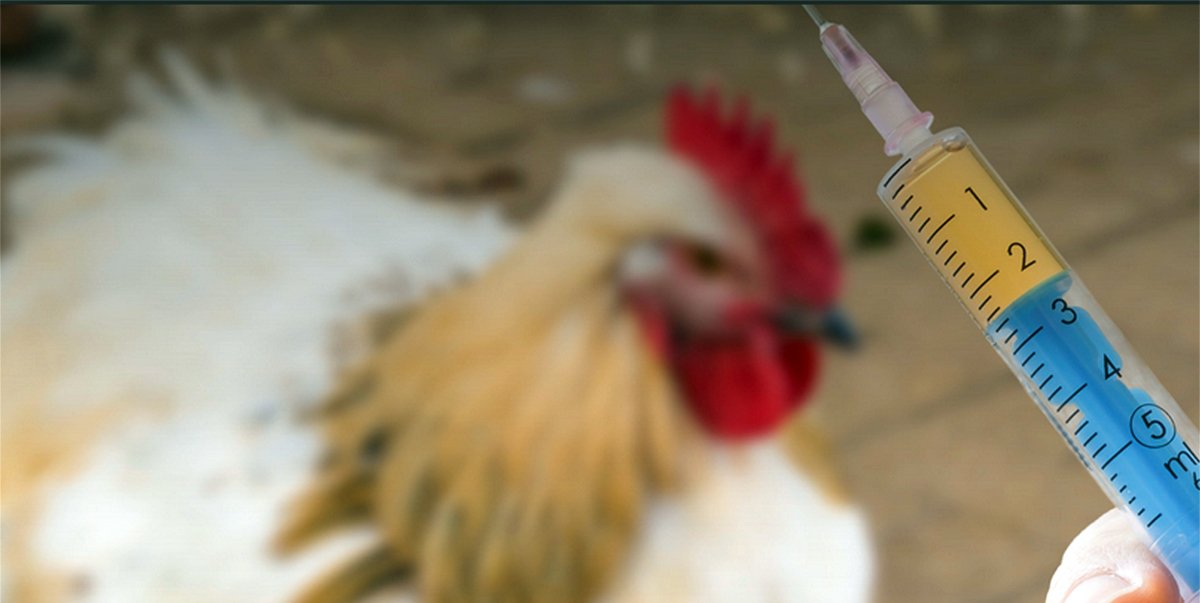
Antibiotics in Poultry
Overview of Antibiotics in Poultry Farming
Antibiotics have been a cornerstone of modern poultry production since the mid-20th century, helping to control diseases, improve animal health, and enhance productivity in an industry that supplies a major source of global protein. However, their widespread use has raised significant concerns about antibiotic resistance, environmental impacts, and public health. Below, I’ll break down the key aspects based on current practices and research.
Why Are Antibiotics Used in Poultry?
Antibiotics in poultry farming serve three main purposes:
• Therapeutic Treatment: To cure sick birds suffering from bacterial infections like respiratory diseases (e.g., avian colibacillosis) or intestinal issues (e.g., necrotic enteritis caused by Clostridium perfringens). Common antibiotics include tetracyclines (e.g., doxycycline, oxytetracycline), macrolides (e.g., tylosin), and quinolones (e.g., enrofloxacin).
• Prophylaxis (Prevention): Administered to healthy flocks to prevent outbreaks, especially in intensive farming where birds are densely housed and vulnerable to stress-related illnesses. This includes ionophores and non-antibiotic coccidiostats for controlling coccidiosis, a parasitic disease.
• Growth Promotion: Historically, low doses were added to feed to boost weight gain and feed efficiency by altering gut microbiota. This practice, using antibiotic growth promoters (AGPs) like bacitracin or virginiamycin, has been banned or phased out in many regions due to resistance risks, though it persists in some developing countries.    
In the U.S., antibiotics were first FDA-approved for poultry in 1951, leading to improved egg production, lower mortality, and reduced illness. Globally, poultry accounts for a significant share of livestock antibiotic use, with projections estimating a 67% increase in total antimicrobial consumption from 2010 to 2030, driven by rising demand for animal protein.
Common Antibiotics and Administration
Poultry antibiotics are typically administered via feed, water, or injection. Frequently used classes include:
• Tetracyclines (e.g., doxycycline, oxytetracycline): Broad-spectrum for respiratory and gut infections.
• Fluoroquinolones (e.g., enrofloxacin): For severe bacterial diseases.
• Polymyxins (e.g., colistin): Often a last-resort antibiotic, used extensively in some regions like Pakistan (up to 60% of farms). 
• Aminoglycosides (e.g., gentamicin, neomycin): For growth promotion or treatment, though neomycin is commonly overused in places like Nigeria. 
• Beta-lactams (e.g., amoxicillin): Combined with others for broader efficacy.
In developing countries, misuse is common due to weak regulations, over-the-counter availability, and farmer reliance on unqualified advisors, leading to non-adherence to withdrawal periods (the time needed for antibiotics to clear from the bird’s system before slaughter).
Regulations and Standards
• United States: The FDA’s Veterinary Feed Directive (VFD), effective since 2017, requires veterinary oversight for medically important antibiotics, banning their use for growth promotion. Over 50% of U.S. chicken production is now “No Antibiotics Ever” (NAE), meaning no antibiotics at any stage, including in hatcheries. All chicken meat is “antibiotic-free” by sale, as federal rules mandate clearance periods to avoid residues.
• European Union: Banned AGPs in 2006 and restricts prophylactic use, emphasizing alternatives like vaccines.
• Global: The World Health Organization (WHO) and FAO advocate for responsible use, with guidelines to phase out non-therapeutic antibiotics. In countries like Tunisia and India, surveys show heavy reliance on enrofloxacin and florfenicol, often without proper veterinary input.
Concerns and Risks
The primary issue is antimicrobial resistance (AMR), where bacteria like E. coli and Salmonella develop resistance, making infections harder to treat in humans and animals.
Poultry farms contribute through overuse, with resistant strains transferable via food, water, or the environment. Studies in Nigeria and Pakistan show high resistance rates, e.g., 100% to nalidixic acid and amoxicillin in E. coli isolates.
Other risks include antibiotic residues in meat/eggs, potentially causing allergies or toxicity, though regulated withdrawal periods minimize this.
NAE production can lead to higher mortality and welfare issues if not managed well, as birds may face more disease without antibiotics. However, it doesn’t necessarily increase foodborne pathogens like Salmonella if hygiene improves.
Alternatives and Sustainable Practices
To reduce reliance on antibiotics:
• Improved Farm Management: Better biosecurity, ventilation, and stocking densities to prevent disease.
• Vaccines and Probiotics: For common pathogens; prebiotics and essential oils as gut health boosters.
• Phytogenics and Enzymes: Plant-based additives to promote growth without antibiotics.
• Monitoring and Education: Farmer training on prudent use, as seen in surveys where lack of knowledge drives overuse.
■