
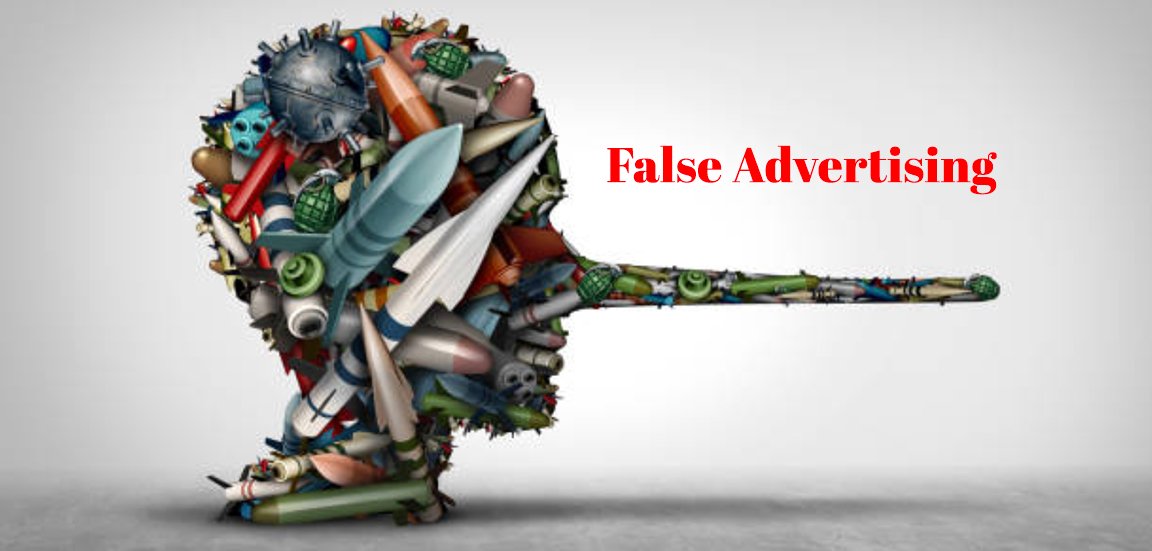
Consequences for False Advertising, Beware!
False advertising can have a ripple effect, leading to a variety of consequences that can impact businesses, consumers, and the marketplace as a whole.
Let’s break down some of these consequences
1. Legal Repercussions
– Lawsuits and Fines: Companies that engage in false advertising can face lawsuits from consumers or competitors. Regulatory bodies, such as the Federal Trade Commission (FTC) in the United States, can impose hefty fines and penalties.
– Class Action Lawsuits: When many consumers are affected, they may band together in a class action suit, which can lead to significant financial liabilities for the company.
2. Reputation Damage
– Loss of Trust: Once a brand is caught misleading consumers, it can suffer a substantial loss of trust. Customers may feel betrayed, leading to negative word-of-mouth and social media backlash.
– Long-Term Brand Damage: Rebuilding a tarnished reputation is often a long, arduous process, and some brands never fully recover. Think of companies like Enron or Volkswagen, which faced monumental challenges after their scandals.
3. Financial Impact
– Decreased Sales: Consumers are less likely to purchase from a brand that has been accused of false advertising. This can lead to a drop in revenue and market share.
– Increased Marketing Costs: Companies may need to invest heavily in rebranding and marketing campaigns to repair their image, diverting resources away from other areas of growth.
4. Consumer Consequences
– Financial Loss for Consumers: Individuals who purchase products based on false claims may feel cheated and could suffer financial losses, especially if the product doesn’t deliver the promised benefits.
– Safety Risks: In some cases, false advertising can lead to safety issues, especially if a product fails to meet safety standards that were misrepresented. For example, misleading claims about the efficacy of a health product could endanger consumers’ well-being.
5. Market Integrity
– Unfair Competition: False advertising can create an uneven playing field where honest businesses struggle to compete against those willing to deceive consumers. This can stifle innovation and fair competition in the market.
– Consumer Skepticism: The prevalence of false advertising can lead to broader consumer skepticism, making them wary of all marketing claims, which can affect legitimate businesses as well.
6. Ethical Considerations
– Erosion of Ethical Standards: Engaging in false advertising can contribute to a culture of dishonesty within the industry. This not only affects the company involved but can also set a negative precedent for others in the field.
Inspiration for Change
Instead of falling into the trap of false advertising, companies can embrace transparency and creativity in their marketing strategies.
For instance, consider brands like Patagonia, which focuses on sustainability and honest messaging. They build trust by being upfront about their practices, leading to a loyal customer base.
Ultimately, the consequences of false advertising serve as a reminder of the importance of integrity and honesty in business.
By prioritizing ethical practices, companies can foster a healthier marketplace and cultivate long-lasting relationships with consumers.
How do you think companies can better communicate their values while remaining transparent in their advertising?