
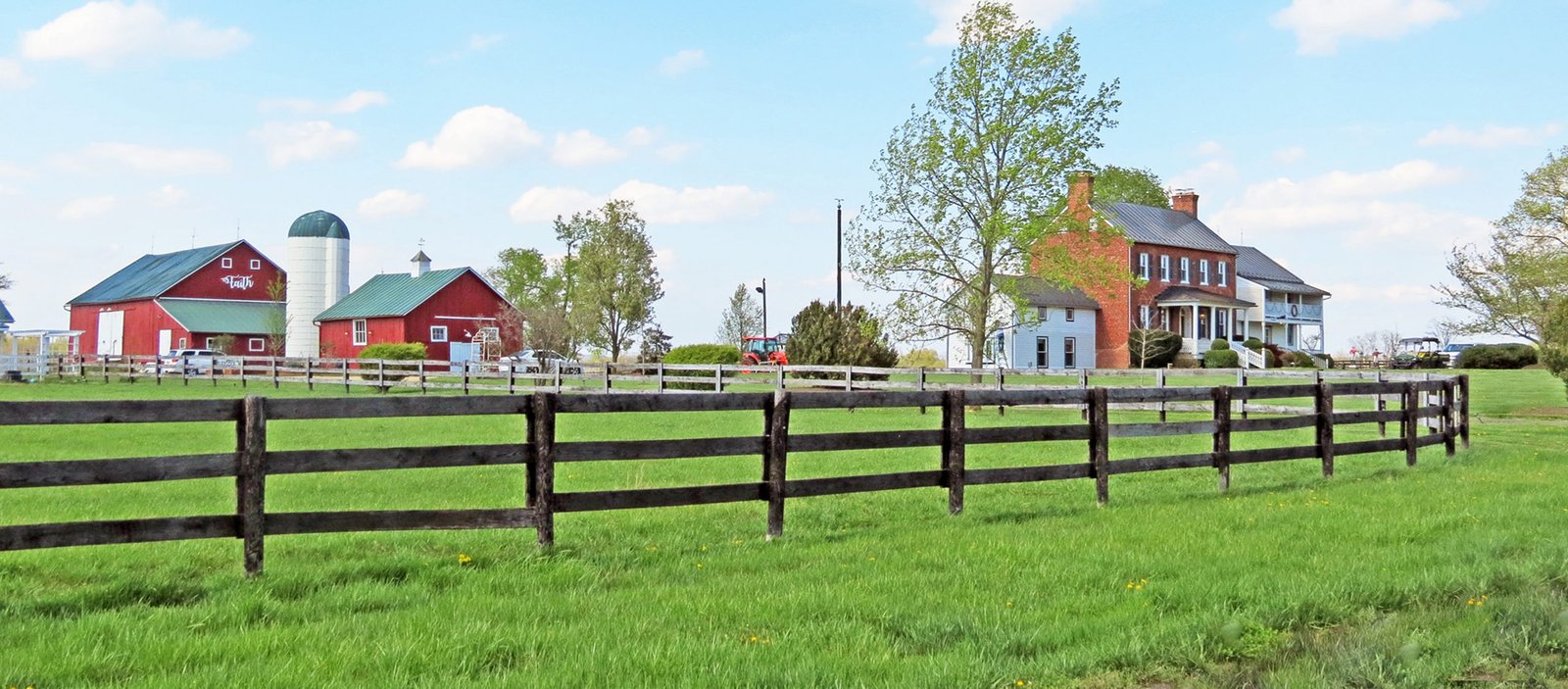
The Old Virginia Landscape was Beautiful until Data Centers Arrived
Once rolling farmland and quiet country roads defined Loudoun County. Families like the Chamberlains worked the land for generations.
The back roads of Loudoun County still whisper of another time…
The Sudden Exodus
Drive west from Dulles… you’ll find entire neighborhoods of once-grand homes standing empty. In one pocket, more than 30 mansions… were abandoned in near-perfect condition.
You’ll drive past the gleaming data centers that now dominate the skyline like silent monoliths, and you’ll find them: entire neighborhoods of once-grand homes standing empty. Manicured lawns have gone to seed.
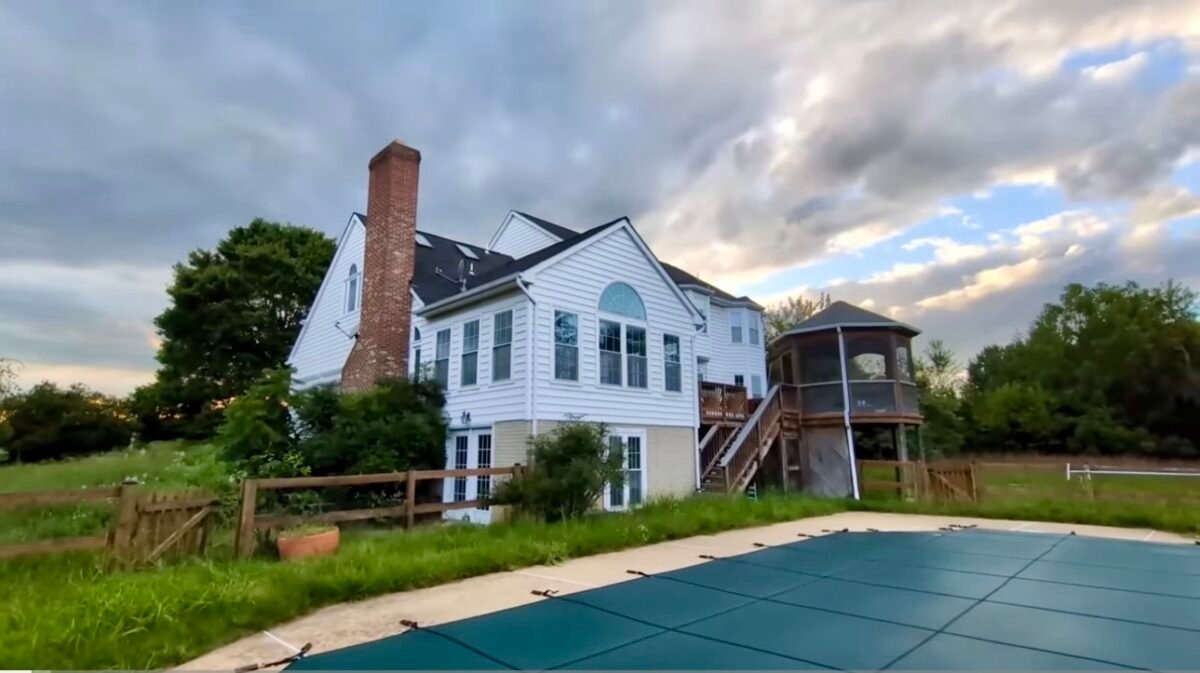
Luxury SUVs sit under tarps in driveways, untouched for months. In one pocket of the county, more than 30 mansions—each averaging 5,000 square feet on ten-acre lots—were abandoned in near-perfect condition after their owners simply walked away in 2024. Furniture remained. Family photos still hung on the walls. It was as if the residents had been called to dinner and never returned.
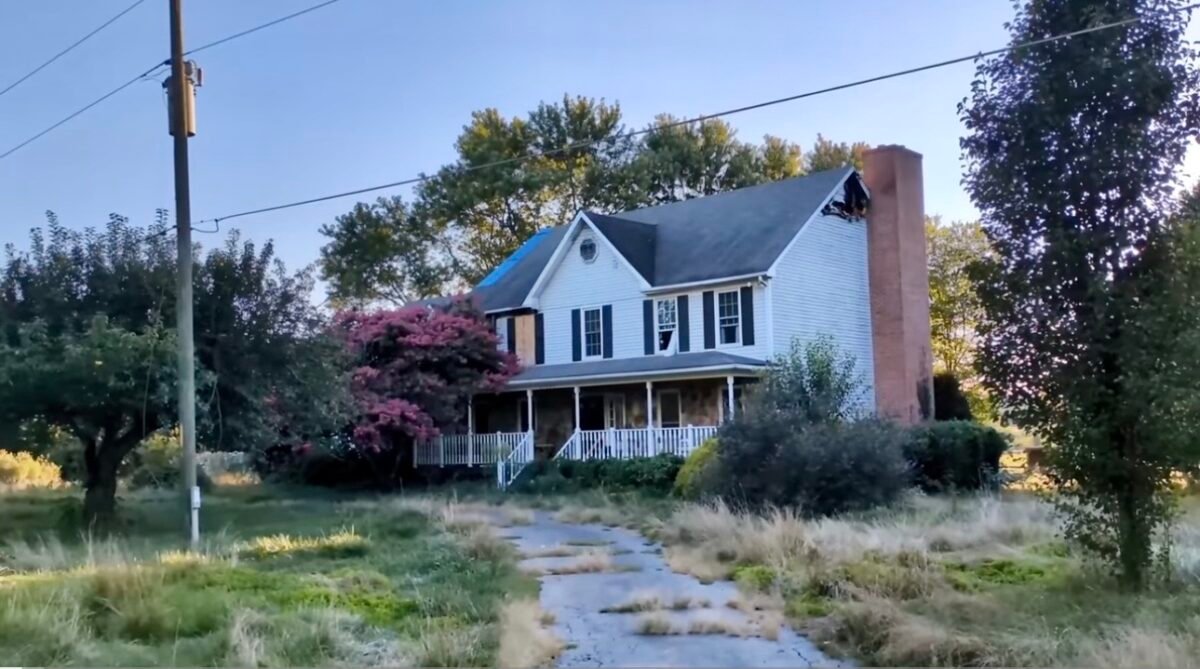
This is not the decay of some forgotten ghost town.
These are homes built for the modern gentry—tech executives, government contractors, and retirees drawn to Loudoun’s rolling hills and proximity to Washington.
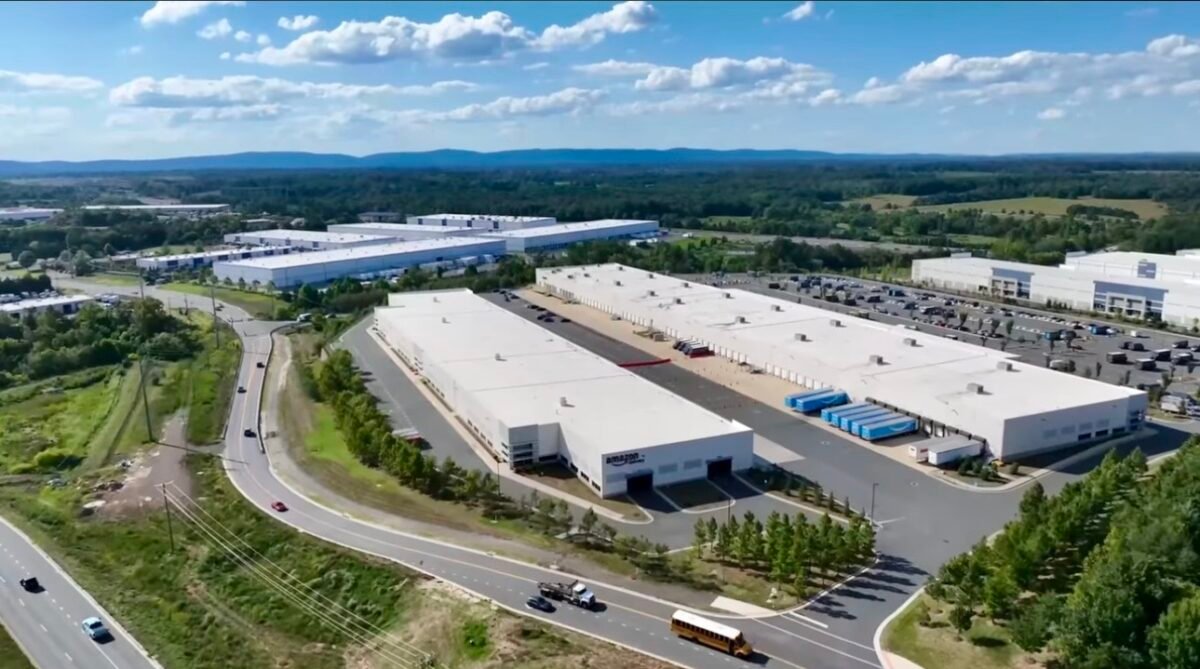
Yet in the span of a single year, starting around mid-2024, they emptied out. The culprit? The very industry that made Loudoun one of the fastest-growing counties in America: data centers and warehouses.
Virginia Has Data Centers
Virginia now leads the nation in their development, and Loudoun has become ground zero. The constant hum of cooling fans, the glare of security lights, the endless convoys of construction trucks—these have turned former rural idylls into something closer to industrial parks.
Home values in some pockets have stalled. Schools and communities have felt the strain. And the owners, many of whom paid premium prices for peace and prestige, have voted with their moving vans.
But to understand the full weight of what’s happening here, you have to look deeper than the recent exodus. You have to go back to the families who once owned these fields outright—families like the Chamberlains.
We heard about one such link to the past on a crisp autumn afternoon near the old farmland south of Leesburg. He was in his late eighties, sharp-eyed and deliberate in his movements, leaning on a weathered walking stick beside a stretch of overgrown pasture that once belonged to his father.
Honest Land
His name was part of the county’s quiet history: a Chamberlain, son of a man who, at the height of his holdings, controlled hundreds of acres across what is now some of the most contested ground in Northern Virginia.
“My father bought this land after the war,” he shared, his voice carrying the soft cadence of old Virginia. “Not the big one—the one that came after.
“He worked construction, saved every penny, and pieced it together farm by farm. Said it would be here for his grandchildren. We raised cattle, grew corn, kept it simple. This wasn’t plantation country like farther south; it was working land. Honest land.”
“He gestured toward a ridgeline where new utility lines now march toward a distant data-center campus. “All that over there? That was ours. My father owned it free and clear by the time I was a boy.

“We’d walk the boundaries every spring, fixing fences, talking about what the next generation might do with it. He never imagined it would be carved up for warehouses and server farms.”
The old man’s story is not unique, but it feels emblematic. Loudoun’s history is one of layered ownership: Quaker settlers in the 1700s, then larger farms in the 19th century, followed by 20th-century families who held on through economic swings and suburban sprawl.
The Chamberlains fit squarely in that middle chapter—self-made stewards who viewed land as legacy rather than commodity. Public records and local lore trace branches of the family back to the Leesburg area as early as the late 18th century, with later generations expanding holdings through careful purchases.
By the mid-20th century, the senior Chamberlain had assembled a patchwork of fields and woodlots that, had development taken a different path, might still be producing hay or supporting small herds.
Instead, the land changed hands over decades—some sold for subdivisions, some for roads, some simply taxed away as values rose and farming became untenable.
Progress doesn’t ask permission
What remained in the family’s orbit now sits adjacent to the very neighborhoods that emptied so abruptly. The old man shook his head. “They built those big houses thinking it would stay country forever. Same mistake we almost made. Progress doesn’t ask permission.”
The irony is sharp. Loudoun’s transformation began in earnest in the 1990s and accelerated after 9/11, when the county’s location made it ideal for tech infrastructure serving the nation’s capital.
Data centers require vast power, water, and land—resources Loudoun had in abundance. By the 2020s, the county was approving new facilities at a record pace. Property taxes soared. Traffic choked once-quiet roads.
And the very residents who had fled the congestion of closer-in suburbs found themselves living next to industrial-scale operations running 24/7.
Everyone Left
Some left quietly. Others cited health concerns from the low-frequency noise or the sudden loss of dark skies. A few simply couldn’t sell fast enough; banks foreclosed, and the properties sat vacant while the market adjusted.
County officials point to economic gains—jobs, revenue, infrastructure upgrades. Critics call it a Faustian bargain: short-term wealth for long-term livability. Either way, the abandoned homes stand as monuments to the speed of that change.
The Chamberlain patriarch’s son doesn’t linger on bitterness. He still drives these roads, checking on what’s left of the old boundaries. “Dad always said land outlasts people,” he remarked. “But people have to decide what kind of land they want to leave behind.”
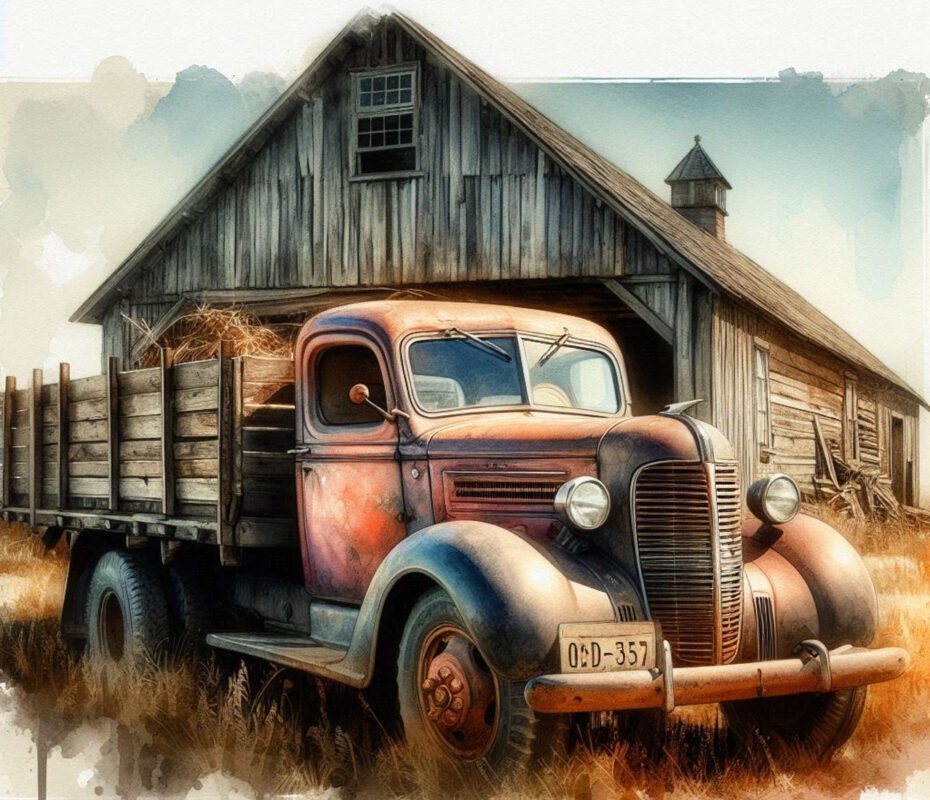
As dusk settled over Loudoun, the empty mansions glowed faintly in the distance under security lights no one had bothered to turn off. In the fields nearby, the ghosts of fences and furrows remained.
The old man climbed into his truck and drove away slowly, a final link to a Loudoun that existed before the servers arrived—before the homes stood silent, waiting for whatever comes next.