
The Hum That Never Stops: Virginia Residents Push Back Against the Data Center Boom
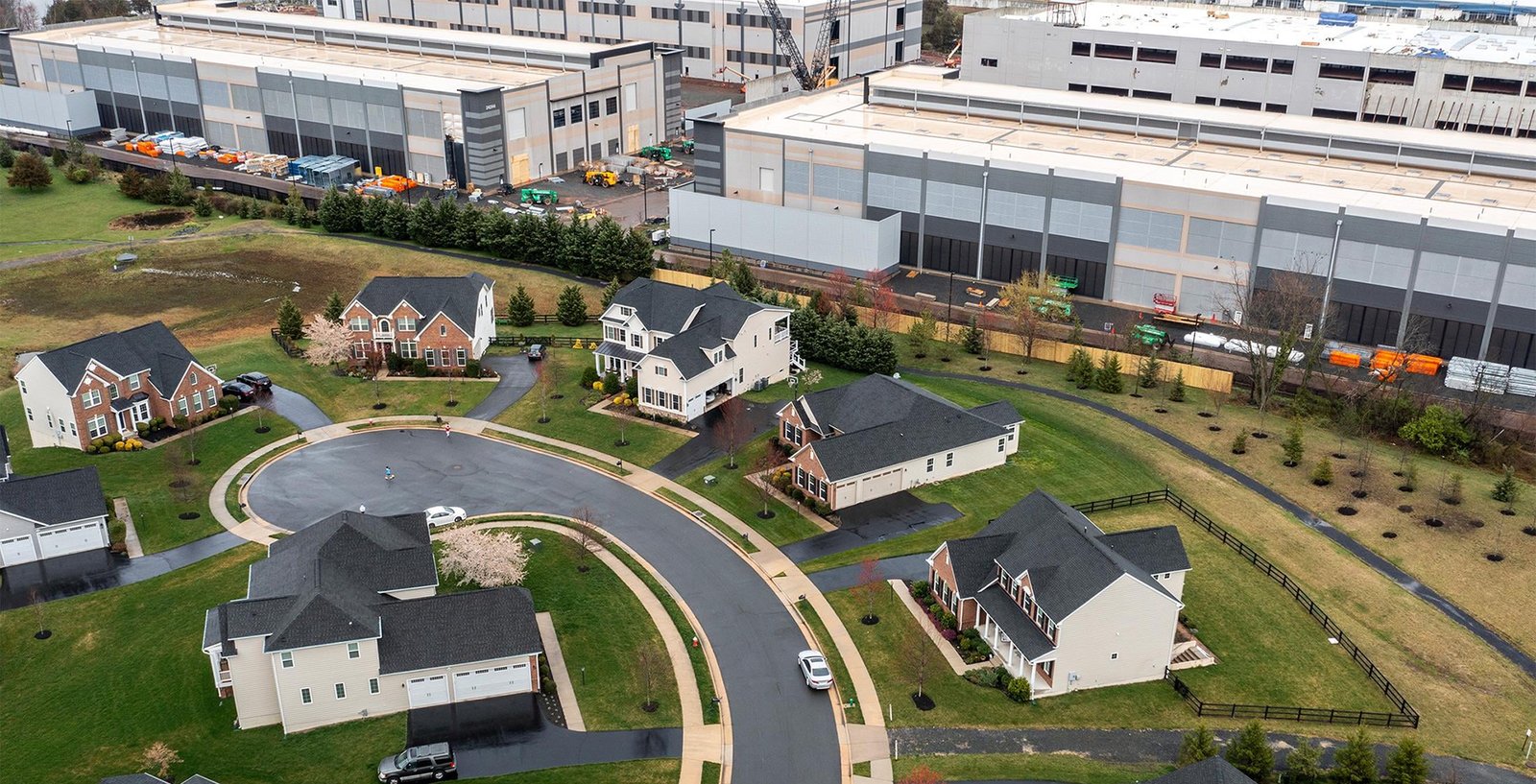
In the rolling hills west of Washington, D.C., the transformation is audible before it is visible. A low, relentless hum—sometimes described as a distant jet engine that never lands—drifts across former farmland and suburban backyards.

It is the sound of data centers, the invisible infrastructure powering the AI revolution, and for many in Northern Virginia, it has become a constant companion.
Loudoun County, already home to the world’s largest concentration of these facilities, set the stage. As we explored in the story of abandoned mansions and the Chamberlain family’s lost legacy, the very industry that brought tax windfalls and “progress” has emptied neighborhoods and altered the landscape.
But the story doesn’t end at county lines. Across Virginia—and spreading to other states—communities are grappling with the same trade-offs: economic gains versus strained grids, depleted water resources, polluted air, and eroded quality of life.
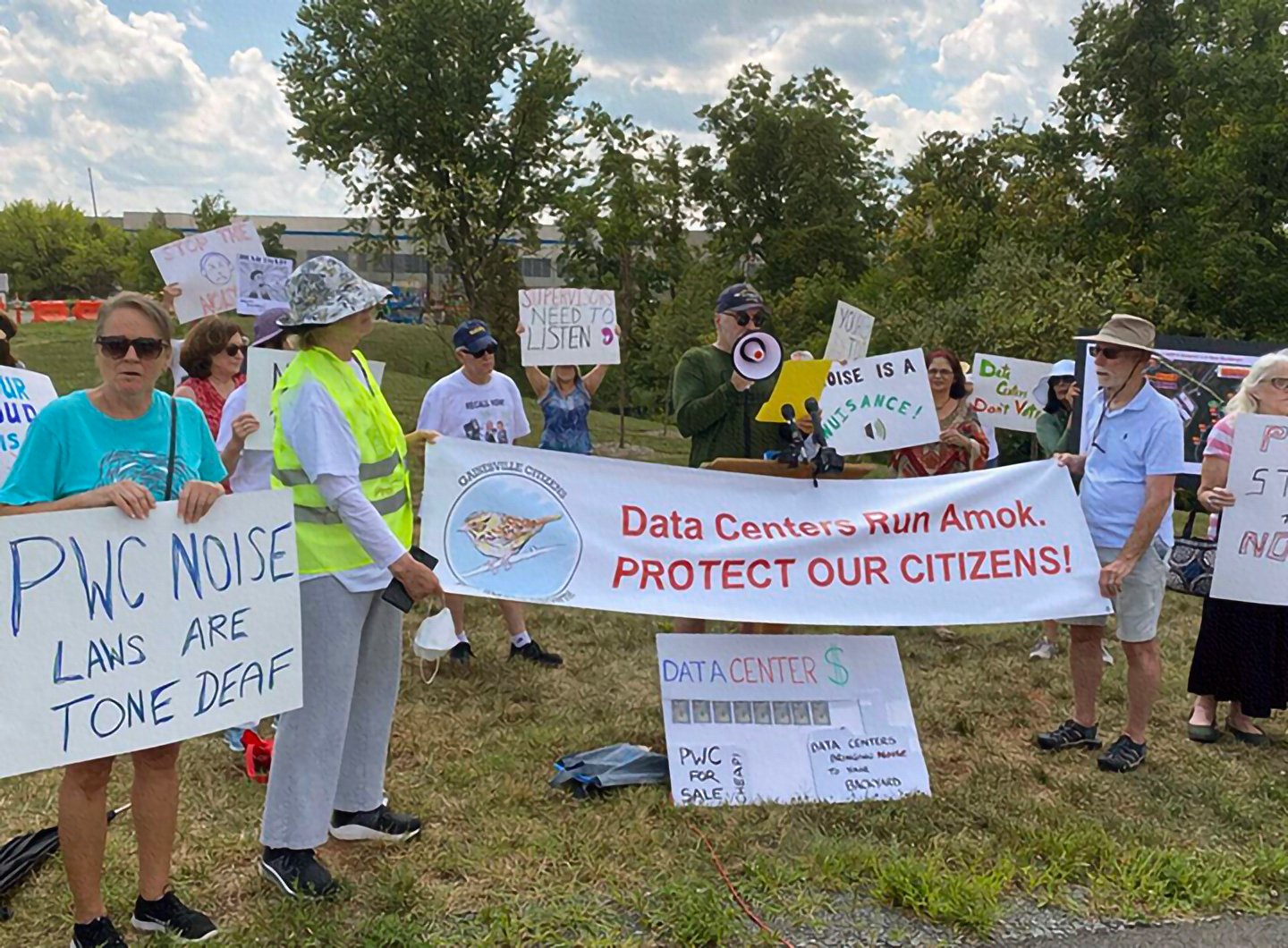
Residents Are NOT Staying Silent
In Loudoun and neighboring Prince William County, town halls overflow with frustrated voices. One homeowner near a new facility told reporters she can no longer enjoy her screened porch because of the high-pitched whine from gas turbines and cooling systems.
“I would not have bought this house if I had known,” she said. Another father described his young son having nightmares about “aliens landing a spaceship” due to the droning that penetrates closed windows at night.
Wildlife has retreated too—one longtime resident noted, “There are no birds around here anymore.”

The environmental toll is quantifiable and growing
Data centers in Loudoun alone consumed over a billion gallons of water in 2023 for cooling, part of Virginia’s total exceeding 2 billion gallons that year.
A single large facility can use up to 5 million gallons daily—enough for a town of 50,000. Electricity demand tells a similar story: data centers are the only rapidly growing sector in the state’s power needs, with projections that new capacity could nearly triple the grid in parts of Virginia.
Carbon Emissions
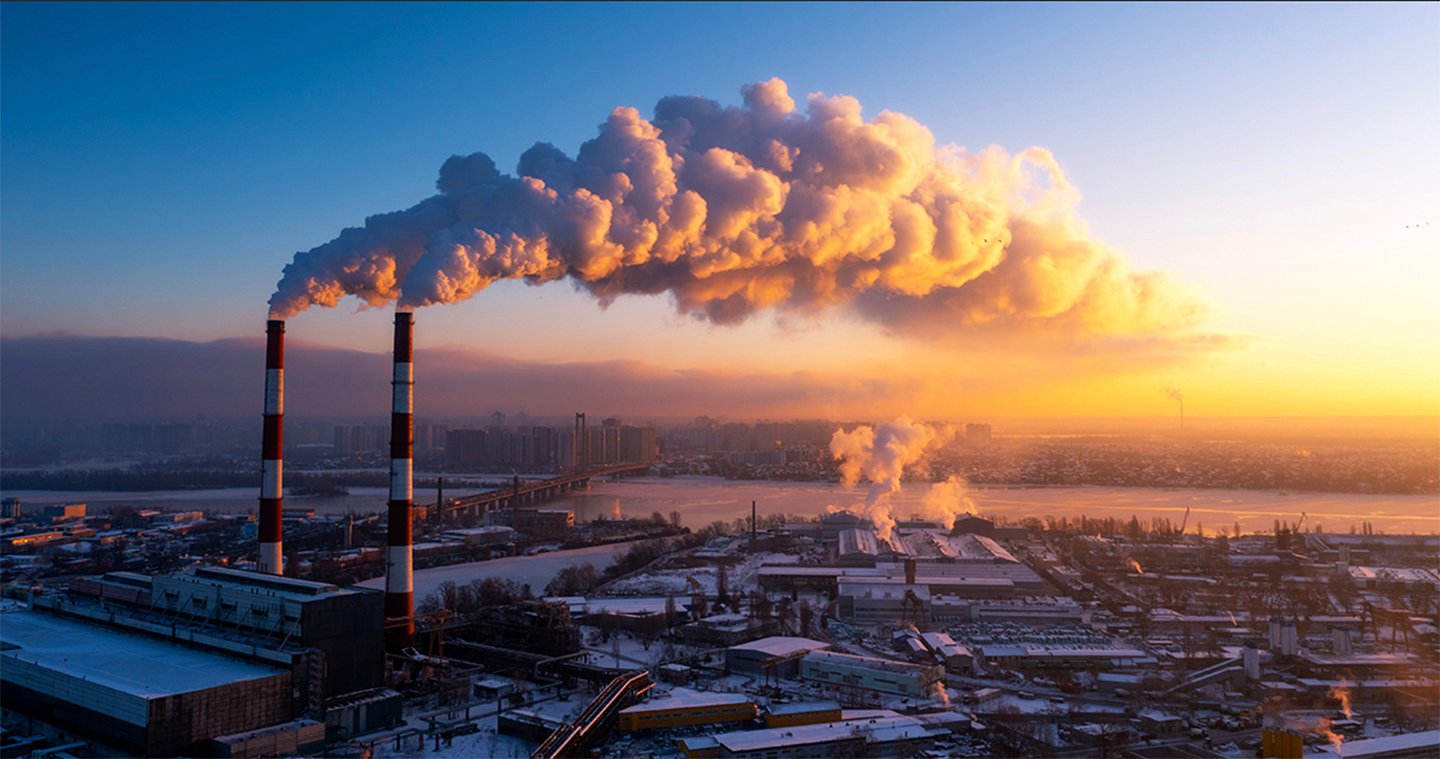
Carbon emissions in Loudoun have risen over 50% linked to these operations, while backup diesel and gas generators add air pollution, especially during heat waves when facilities ramp them up.
Julie Bolthouse of the Piedmont Environmental Council captured the scale: “To increase it by 40 gigawatts is to almost triple our entire grid for one industry… and to do that for one industry is absolutely unprecedented.”
Local leaders and environmental groups point to habitat loss, heat pollution affecting waterways, and the risk of derailing climate goals.
In southern Virginia’s Pittsylvania County, residents successfully blocked a massive data center complex and associated gas plant after highlighting health impacts on thousands nearby.
Economic Argument Persists
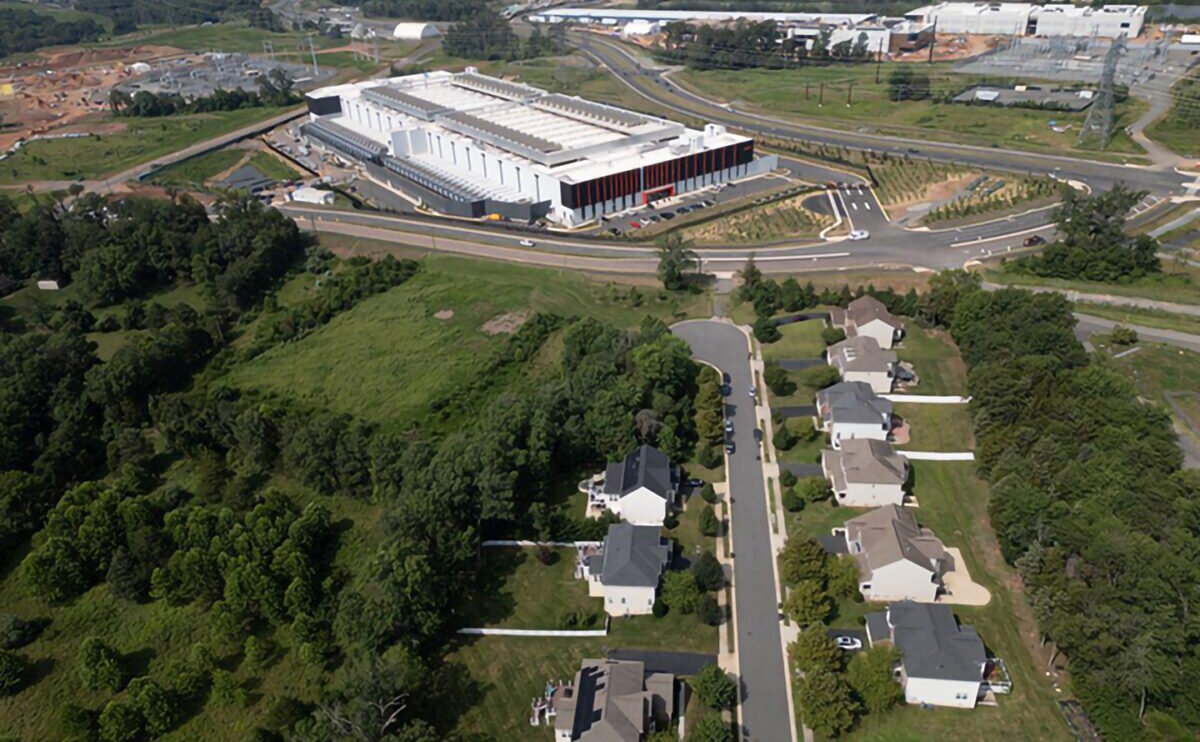
In Loudoun, data centers contribute hundreds of millions in taxes—nearly a third of the general fund in recent years—helping keep property taxes low.
Proponents highlight jobs and infrastructure upgrades. But critics, including organized coalitions like the Virginia Data Center Reform Coalition, argue it’s unsustainable. “What are we leaving for our kids?” one Prince William resident asked at a public meeting. Another added, “We’re just finding that the scenery is changing, our power billing is changing and increasing.”
This pushback is having effects. Loudoun ended “by-right” zoning for data centers in 2025, requiring public review. Projects have been delayed or canceled amid resident organizing, with similar resistance appearing in rural areas nationwide—from Michigan farmland fights to concerns in the Midwest and South over water scarcity and rising bills.

The old man from the Chamberlain family, standing on land his father once stewarded, saw the shift coming. “Progress doesn’t ask permission,” he said.
Today, Virginians are starting to ask harder questions: How much is enough? Can communities balance the digital economy’s hunger with the need for livable places, clean air, and reliable resources?
As the hum continues across Data Center Alley and beyond, the answer may lie in the growing chorus of voices demanding a seat at the table—before the fields fall silent in a different way.