Golden Tempo Charges from Last to First, Wins the Belmont Stakes
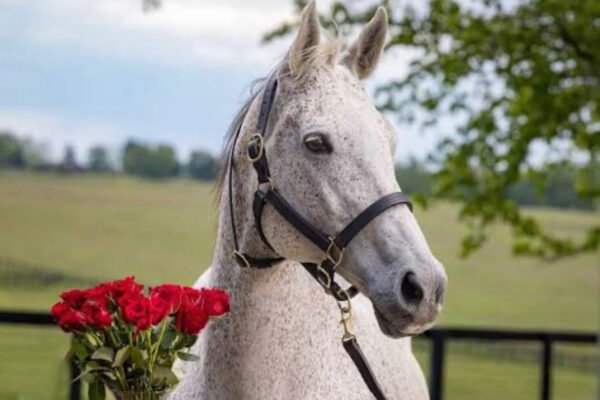 Carrumba, Golden Tempo’s Mother
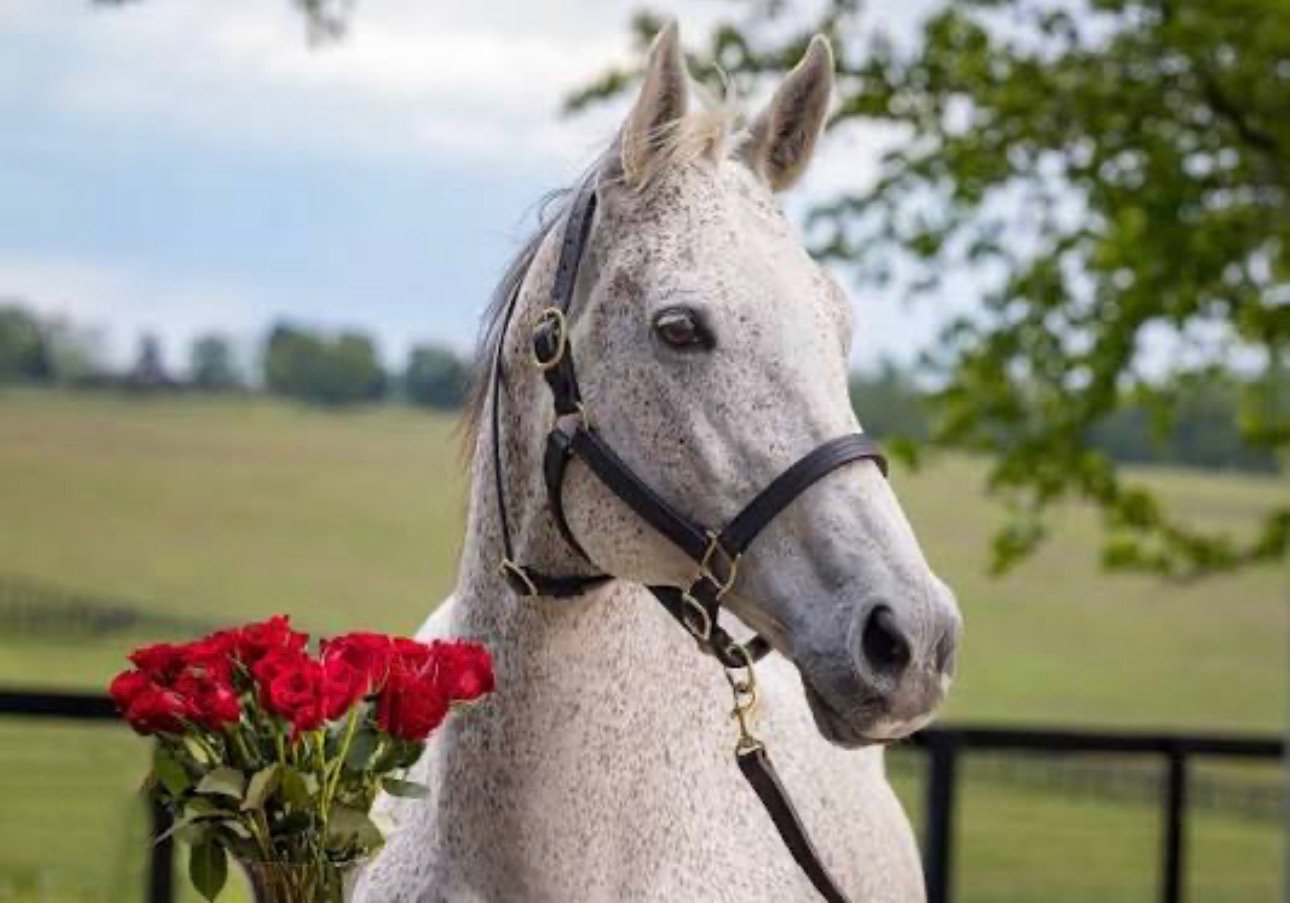
Golden Tempo’s dam (mother), Carrumba, still lives at Claiborne Farm. She was a graded stakes winner on the racetrack and is a strong, physically impressive gray mare in her second career in the breeding shed.
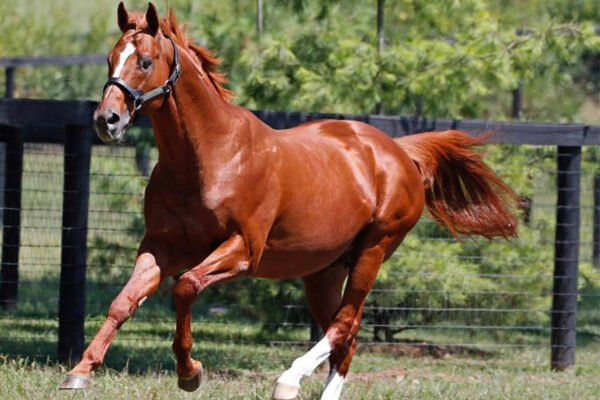 Curlin, Golden Tempo’s Father
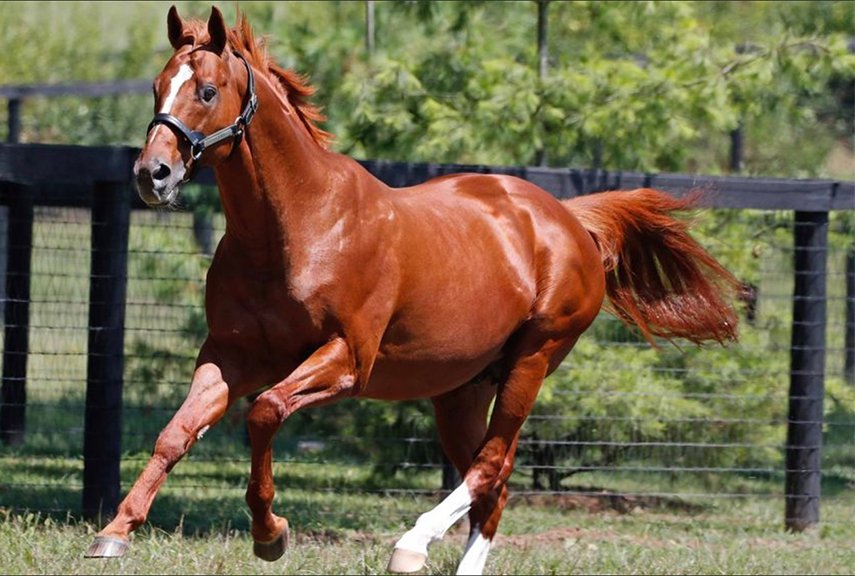
Curlin is an American Thoroughbred who was the American Horse of the Year in both 2007 and 2008. He retired in 2008 as the highest North American money earner with over $10.5 million accumulated.
Golden Tempo’s Great, Great, Great Grandpa was Secretariat
on his dams side. The Large Heart Gene allows them to have more stamina than any other racehorse breed.
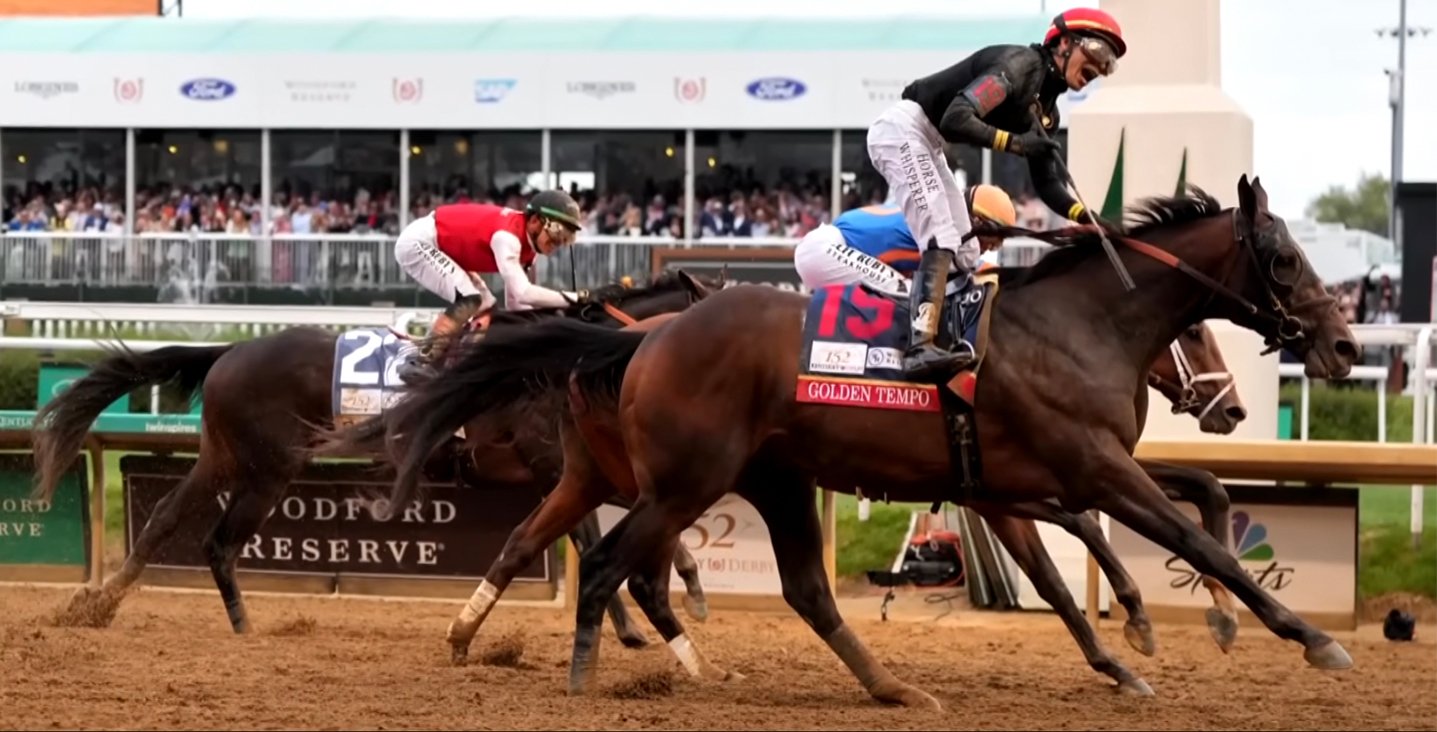
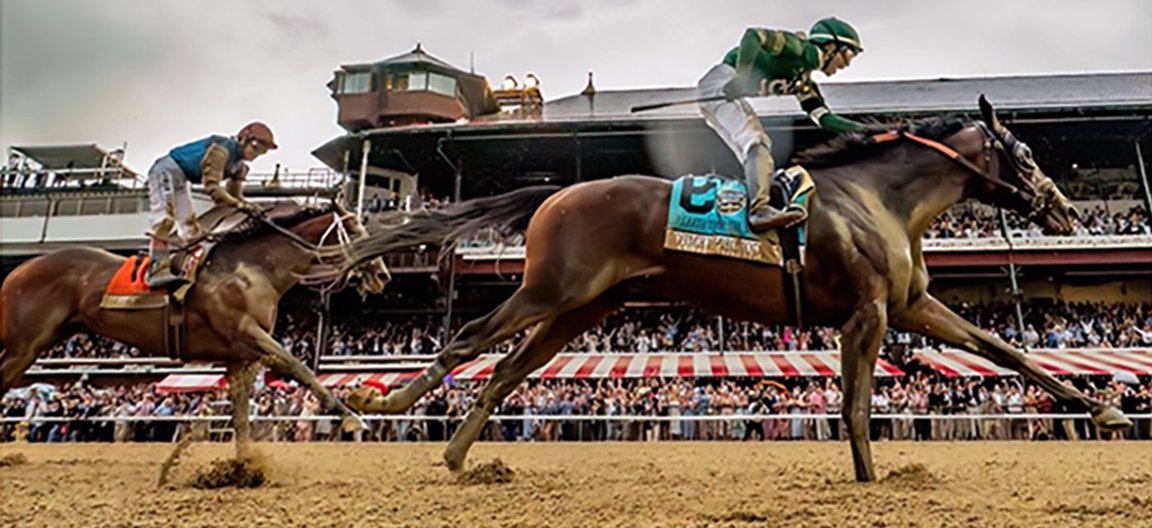
The final running of the Belmont Stakes at Saratoga Race Course delivered high drama as Kentucky Derby champion Golden Tempo stormed from last to first once again, securing a decisive victory in the $2 million Grade 1 event. 
Under jockey Jose Ortiz and the guidance of trainer Cherie DeVaux, the 3-year-old colt replicated his come-from-behind heroics from Churchill Downs. In a field of nine, Golden Tempo bided his time at the back before unleashing a powerful rally down the stretch.
He crossed the wire 1¼ lengths ahead of Commandment in second, with the favorite Renegade finishing third. The winning time for the 1¼-mile “Test of the Champion” was 2:03.49. 
This marks Golden Tempo’s second Triple Crown leg triumph. Connections wisely skipped the Preakness Stakes to allow more recovery time after the demanding Kentucky Derby, a decision that clearly paid off.
DeVaux, already a trailblazer as the first woman to train a Derby winner, added to her historic resume.  Fans and commentators erupted as Golden Tempo powered past the leaders in the final strides.
“Golden Tempo pulls away late… Golden Tempo has won the Belmont Stakes!” became the call of the day. The victory silenced some doubters who questioned whether his Derby win was a fluke, proving the horse’s class and closing ability on the big stage. 
Owned by partnerships including Phipps Stable and St. Elias Stable, Golden Tempo continues to captivate racing enthusiasts with his grit and charisma. As the curtain falls on the Belmont at Saratoga, this performance cements 2026 as a memorable year for the sport—and for one very special horse named Golden Tempo. 
What a ride! Whether you’re a longtime fan or just catching the excitement, Golden Tempo’s story is one for the history books.
Analyzing the Impact of Golden Tempo Skipping the Preakness Stakes 
Trainer Cherie DeVaux’s decision to bypass the 2026 Preakness Stakes with Kentucky Derby winner Golden Tempo was controversial at the time but proved to be a masterstroke.
By giving the colt extra recovery time after his demanding Churchill Downs victory, the team prioritized long-term welfare over the immediate pursuit of a Triple Crown. The result: a strong, come-from-behind win in the Belmont Stakes on June 6 at Saratoga. 
Positive Impacts on Performance and Horse Welfare
- Recovery and Freshness: The tight two-week turnaround from Derby to Preakness is grueling for many modern Thoroughbreds. DeVaux noted Golden Tempo “is not that kind of horse” suited for such quick recovery. Skipping allowed approximately five weeks of targeted preparation for the 1¼-mile Belmont, enabling him to deliver a powerful late rally without signs of fatigue. 
- Belmont Success: Golden Tempo crossed the wire 1¼ lengths ahead in a time of 2:03.49, replicating his Derby heroics. This mirrors recent trends where Derby winners who skipped Preakness (like Sovereignty in 2025) performed strongly in the Belmont. 
- Trainer Milestone: DeVaux became the first woman to win the Kentucky Derby and added the Belmont, cementing her historic status while protecting her star pupil. 
Broader Effects on Racing
- No Triple Crown Attempt: For the eighth straight year, no horse swept the series. This has fueled ongoing debates about revising the Triple Crown schedule—potentially adding time between legs—to better suit modern horses and sustain fan interest. 
- Preakness Field and Interest: The Preakness proceeded without the Derby winner, won by another horse (e.g., Napoleon Solo noted in some reports). While it maintained its prestige, the absence of Golden Tempo reduced some national buzz.
- Industry Trends: This continues a pattern of Derby winners opting for Belmont over the middle jewel, emphasizing horse health amid evolving breeding and racing demands. Studies show no clear statistical edge in Belmont for skippers vs. those running all three, but individual cases like Golden Tempo highlight benefits for come-from-behind types needing rest. 
Criticisms and Trade-offs
The choice drew backlash from traditionalists who value the Triple Crown’s historical rigor. Some fans felt deprived of a potential crown chase, and DeVaux addressed the criticism directly, stressing that horses “are not machines” and welfare comes first. 
Financially and reputationally, the move boosted Golden Tempo’s value (estimated post-Derby at $25 million+) and set him up for future campaigns, such as the Travers Stakes. 
Bottom Line
Skipping the Preakness was a calculated, horse-first decision that paid dividends with Belmont glory. It underscores a shifting era in racing—one that balances tradition with modern realities of equine physiology and sustainable careers.
For “Defending Honesty,” this story highlights integrity in prioritizing animal welfare over glory. 
“The horse is not a machine… We are not committing to this and they’re horses, like they’re animals, and they’re not just a car where you can go out and run them in two weeks. That’s not how it works.” 
~DeVaux