Bottled Water Has 3x More Nanoplastics Than Tap Water
Drinking bottled water isn’t inherently “bad” in the sense of being acutely toxic for most people in small amounts, but substantial evidence points to several drawbacks compared to properly treated tap water, particularly for regular or long-term use.
These issues involve potential health exposures, environmental harm, cost, and regulation. Here’s a breakdown based on scientific studies and reports.
Microplastics and Nanoplastics
Bottled water often contains significantly higher levels of tiny plastic particles than tap water. Studies have detected microplastics (particles <5mm) in 93% of tested bottled water samples, with averages around 10 particles per liter in older research and much higher counts. Including up to hundreds of thousands of nanoplastics (even smaller particles)—in more recent analyses using advanced detection methods. 
One 2024 study found roughly 240,000 plastic particles per liter in bottled water, with about 90% being nanoplastics. Reviews estimate that exclusive bottled water drinkers may ingest up to 90,000 additional microplastic particles annually compared to tap water users. 
These particles can come from the bottle itself (especially PET plastic), caps, manufacturing, or storage conditions like heat and sunlight. Nanoplastics are small enough to potentially enter cells, cross biological barriers (like the gut or blood-brain barrier), and accumulate in organs. Emerging research links them to:
- Inflammation
- Oxidative stress
- Damage to intestinal walls and kidneys
- Potential endocrine (hormone) disruption
- Broader systemic effects
However, direct causation of specific human diseases from typical exposure levels remains under study—the long-term chronic risks are not fully quantified, but experts recommend minimizing exposure as a precaution. 
Chemical Leaching from Plastic Bottles
Plastic bottles (usually PET) can leach substances into the water, especially when exposed to heat, sunlight, or prolonged storage. Concerns include:
- Antimony (used in PET manufacturing)
- Phthalates and bisphenols (endocrine disruptors that may interfere with hormones like estrogen/testosterone)
- Other additives
These have been associated in studies with potential risks for reproductive issues, metabolic disruption, cardiovascular effects, and more, though again, real-world human impacts from low-level bottled water exposure are debated and often linked to cumulative sources beyond just water. 
Some testing has also found PFAS (“forever chemicals”) in certain bottled waters (more in sparkling varieties in older tests), though levels are often low and not always exceeding regulatory limits. Tap water can have PFAS too, depending on location.
Regulation and Contamination Risks
In the US, the FDA regulates bottled water as a food product, while the EPA oversees tap water with stricter monitoring and public reporting requirements in many cases.
Bottled water isn’t always required to be safer than tap, and some brands simply repackage filtered municipal water. Occasional contamination with bacteria, heavy metals, or other pollutants has occurred, though outbreaks are rare.
Tap water in most developed areas (like the US) undergoes rigorous treatment and testing for pathogens. 
Bottled water can sometimes contain more variable quality, with studies showing bacterial issues in some samples or inconsistent purity.
The Shocking Truth: Bottled Water Contains Up to 90,000 More Microplastics a Year Than Tap—And It’s Getting Into Your Organs
Environmental and Economic Costs
Producing, transporting, and disposing of plastic bottles requires massive resources—oil, energy, and water (e.g., 1.5–3+ liters of water per liter bottled in some estimates).
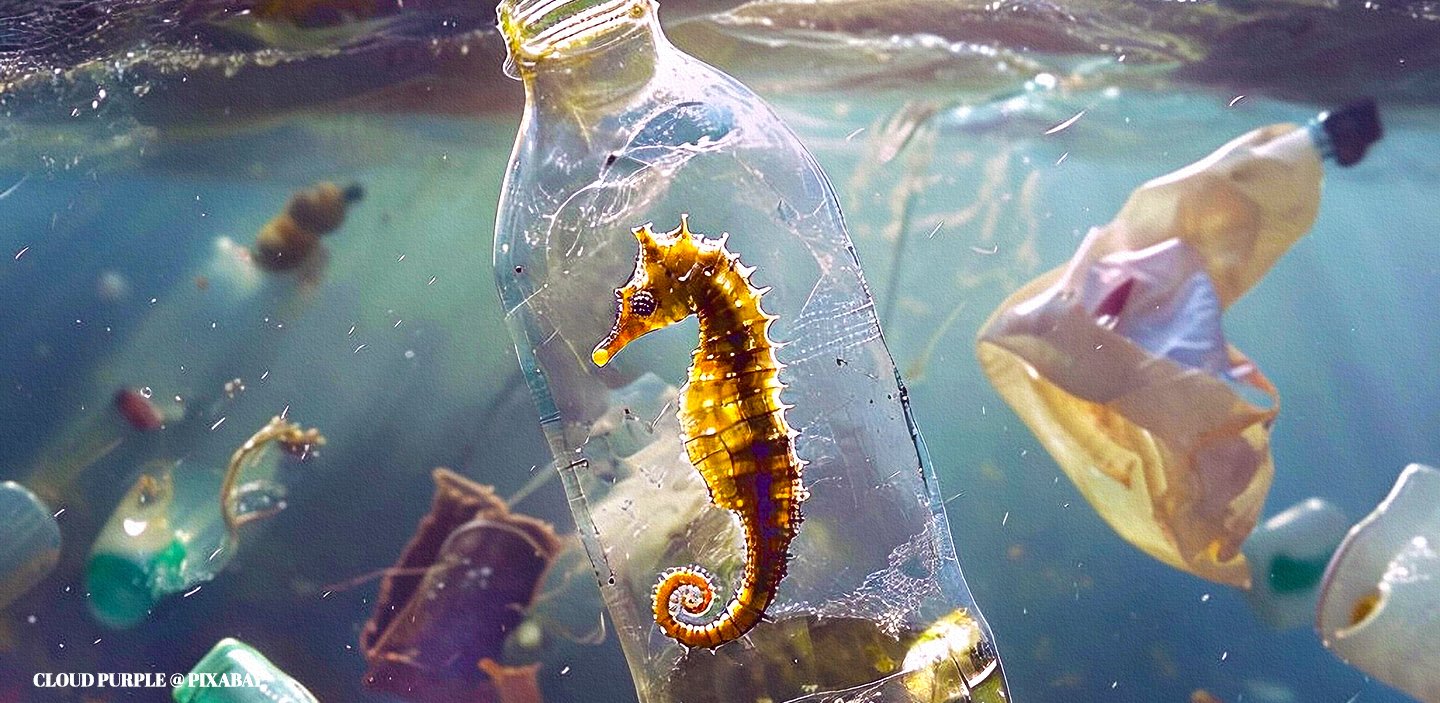
Only a small percentage of bottles are recycled (often cited around 9–30% in various reports), contributing to plastic pollution in oceans, landfills, and ecosystems.
Plastic bottles are a major source of ocean plastic waste. Economically, bottled water costs hundreds to thousands of times more than tap water for similar (or inferior) quality in many cases. 
Are There Any Advantages?
Bottled water can be useful in emergencies, travel, areas with genuinely unsafe tap water, or for taste/convenience preferences. Some mineral or spring varieties provide beneficial minerals (e.g., for bone or heart health in specific contexts), though these benefits aren’t unique to bottled sources.
In places with poor infrastructure, it may reduce short-term risks from contaminated taps.
Pure Poison? Scientists Warn Everyday Bottled Water Is Leaching Nanoplastics That May Harm Your Heart, Hormones, and Future
Bottom Line and Alternatives
For most people in places with safe municipal water (common in the US, including Phoenix, AZ), tap water is generally safer, cheaper, and far better for the environment, with dramatically lower microplastic exposure.
Filtration systems (e.g., activated carbon or reverse osmosis) can further improve tap water if you’re concerned about local contaminants like PFAS or chlorine taste.
If you prefer bottled
- Choose glass when possible (though even these can have some plastic contact points).
- Avoid leaving plastic bottles in hot cars.
- Opt for brands with better testing/transparency.
Switching to a reusable bottle filled from filtered tap is the most practical way to reduce risks and waste. Research continues on microplastics’ exact health effects, but the consensus leans toward reducing unnecessary plastic exposure where feasible.
If your local tap water has known issues, check your utility’s annual report or test it.