Wilma Pearl Mankiller was the first woman elected Principal Chief of the Cherokee Nation
When history fails to preserve stories from our past and present, it’s up to us to correct the record. Wilma Mankiller, the first woman elected Principal Chief of the Cherokee Nation, is omitted from most history books despite ranking among revolutionary leaders like Harriet Tubman or Eleanor Roosevelt. She was an activist and a champion to a nation – and it’s time the world remembers her name.
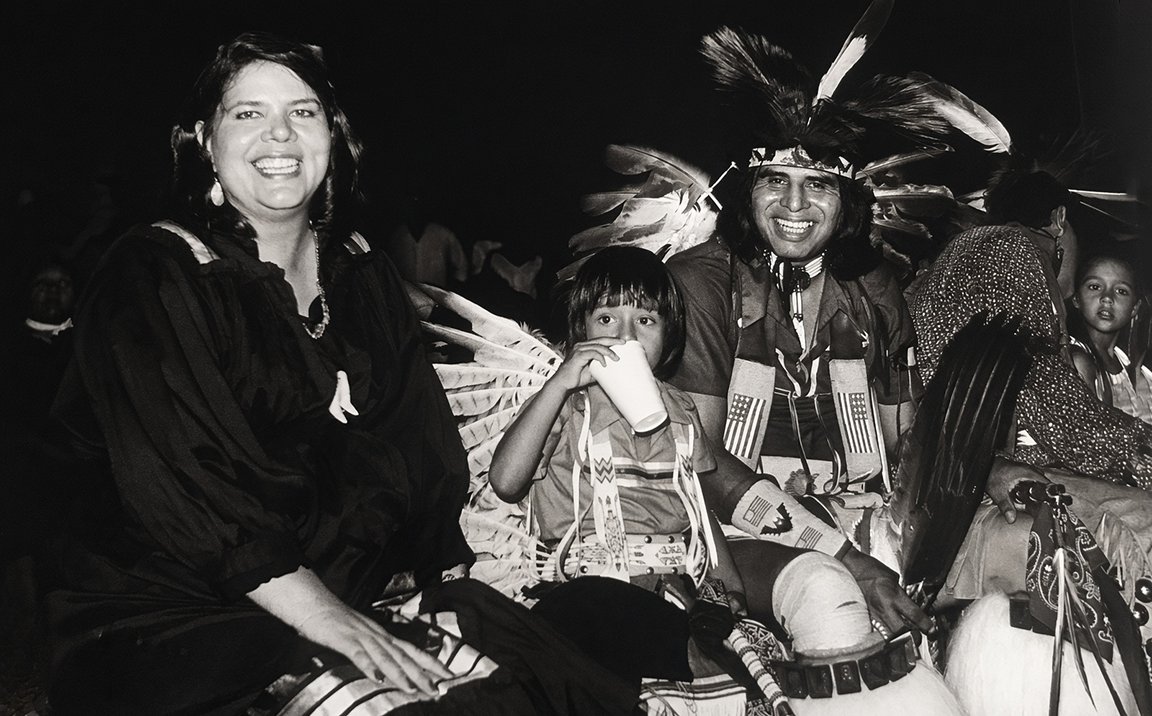
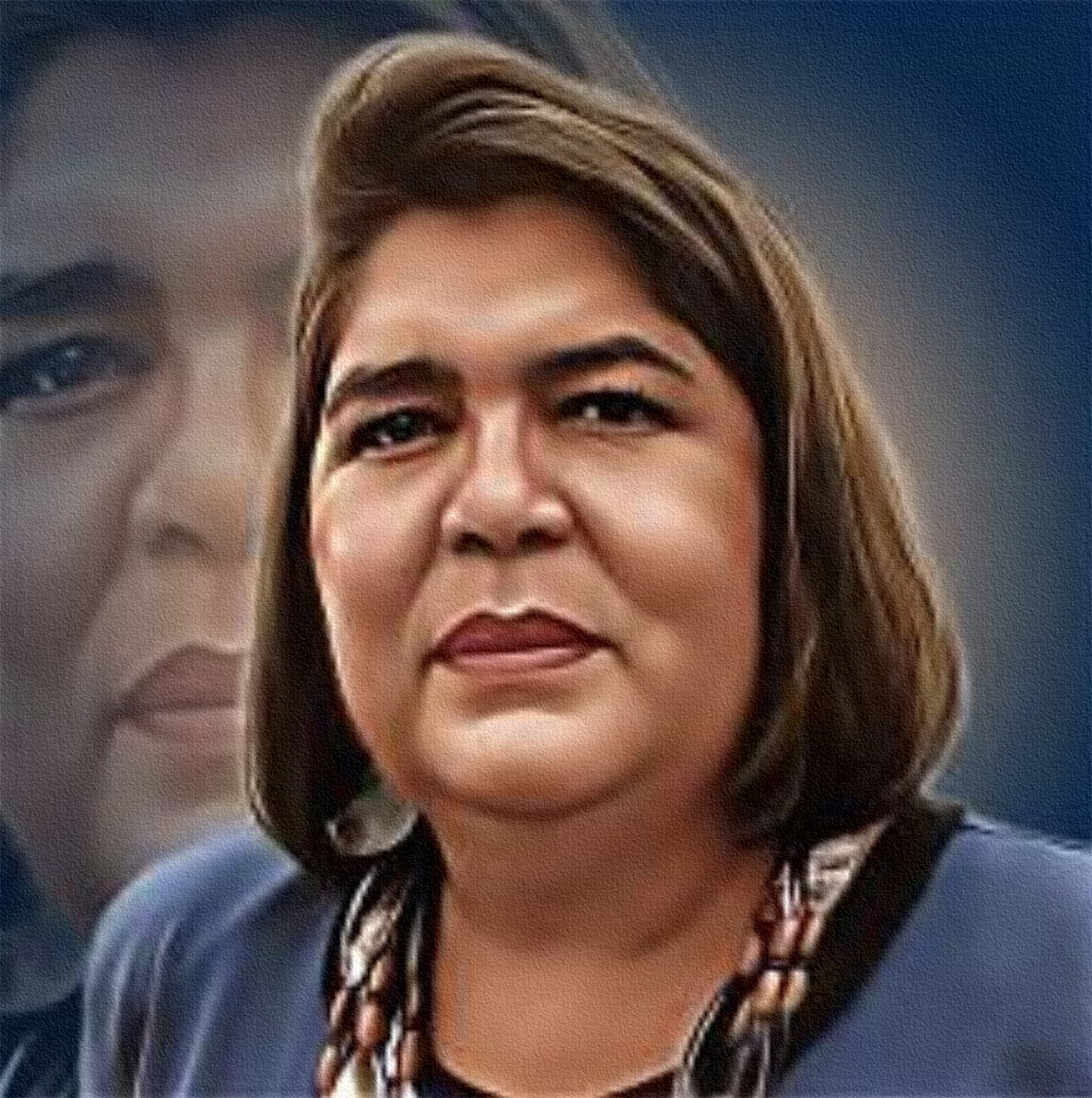
Wilma Pearl Mankiller (November 18, 1945 – April 6, 2010) was a Cherokee activist, community developer, social worker, and the first woman elected Principal Chief of the Cherokee Nation, one of the largest Native American tribes in the United States.
During a decade in office from 1985 to 1995, she oversaw substantial growth in tribal enrollment and revenues, expanded health care and education services, and advanced self-governance. Her leadership combined practical community development with a clear commitment to Cherokee values and tribal sovereignty.
Early Life and Family
Wilma Pearl Mankiller was born at the W. W. Hastings Indian Hospital in Tahlequah, Oklahoma, the capital of the Cherokee Nation. She was the sixth of eleven children of Charley Mankiller, a full-blood Cherokee, and Clara Irene Sitton, who was of Dutch and Irish ancestry. The family name derives from a traditional Cherokee military rank, Asgaya-dihi.
She spent her early childhood on Mankiller Flats, a 160-acre allotment in Adair County near Rocky Mountain, Oklahoma, that had been granted to her grandfather after the forced removal of the Cherokee from their southeastern homelands.
The family lived in material poverty on the land. In 1956, when Wilma was eleven, the family relocated to San Francisco under the Federal Bureau of Indian Affairs relocation program, which sought to move Native families to urban areas.
The move proved difficult. Mankiller later described the contrast between rural Cherokee life and the urban environment of California as a profound disruption.
Formative Years, Marriage, and Activism
In California, Mankiller attended Skyline College and San Francisco State University. In 1963 she married Hector Hugo Olaya de Bardi; the couple had two daughters, Felicia (born 1964) and Gina (born 1966). The marriage ended in divorce in 1974.
The 1969 occupation of Alcatraz Island by Native activists deepened her commitment to Indigenous rights. While some of her siblings participated on the island, she supported the movement through fundraising and organizing. This period shaped her understanding of community action and self-determination.
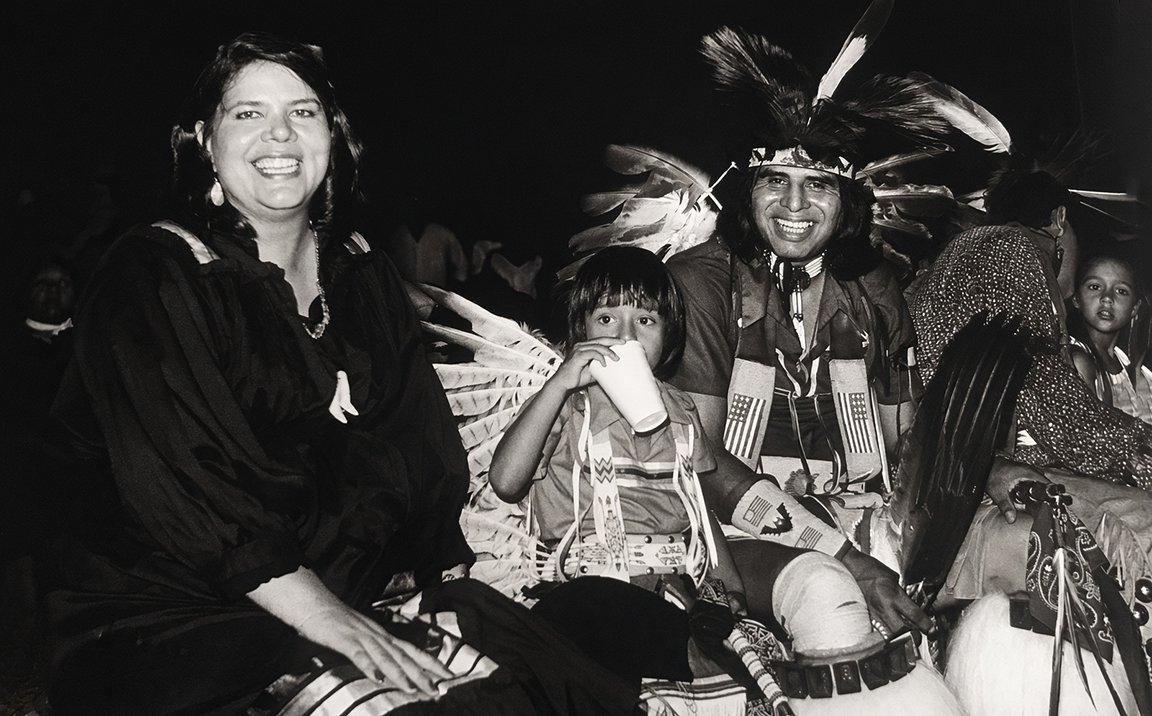
In the mid-1970s she returned to Oklahoma with her daughters, reclaimed the family land at Mankiller Flats, and began working for the Cherokee Nation as an economic stimulus coordinator and later as founding director of the Community Development Department.
A near-fatal automobile accident in 1979 killed her close friend and left Mankiller with severe injuries that required seventeen operations and years of rehabilitation.
She also lived with polycystic kidney disease (requiring transplants), myasthenia gravis, lymphoma, and later breast cancer. These health challenges persisted throughout her public life.
One of her most celebrated early projects was the Bell Community Water System in rural Oklahoma. Residents, many of them Cherokee, dug miles of trench by hand to bring running water to homes that had never had it.
The effort became a model of grassroots development and was later depicted in the film The Cherokee Word for Water. During this work she met Charlie Soap, a Cherokee traditionalist and fluent speaker of the language; they married in 1986.
Rise to Leadership
In 1983, Principal Chief Ross Swimmer selected Mankiller as his running mate. They won, making her the first woman elected Deputy Principal Chief of the Cherokee Nation. When Swimmer resigned in 1985 to become Assistant Secretary of the Interior for Indian Affairs, Mankiller succeeded him as Principal Chief on December 5, 1985. She was the first woman to lead a major Native American tribe in that capacity.
She won election in her own right in 1987 and was reelected in 1991 with approximately 82–83 percent of the vote. She chose not to seek another term in 1995 because of declining health.
Tenure as Principal Chief (1985–1995)
Mankiller inherited a tribal government serving roughly 68,000 to 140,000 enrolled citizens (sources vary on the exact starting figure) and a budget of about $75 million.
Under her leadership, enrollment more than doubled, reaching approximately 170,000 by the end of her tenure, and tribal revenues increased substantially through diversified economic activity, including factories, retail, and other enterprises.
Key initiatives
- Opening three rural health centers and expanding health services, contributing to reductions in infant mortality.
- Expanding Head Start and other educational programs.
- Improving housing and infrastructure in rural communities.
- Establishing a drug-abuse prevention center.
- Advancing self-governance agreements that allowed the Cherokee Nation greater control over federal funds previously administered by the Bureau of Indian Affairs.
- Supporting the creation of the Office of Tribal Justice in the U.S. Department of Justice.
- Promoting Cherokee language and literacy through the Institute for Cherokee Literacy.
She emphasized that Indigenous communities possessed their own solutions and did not need to abandon cultural identity to achieve economic and social progress.
Later Years, Writings, and Honors
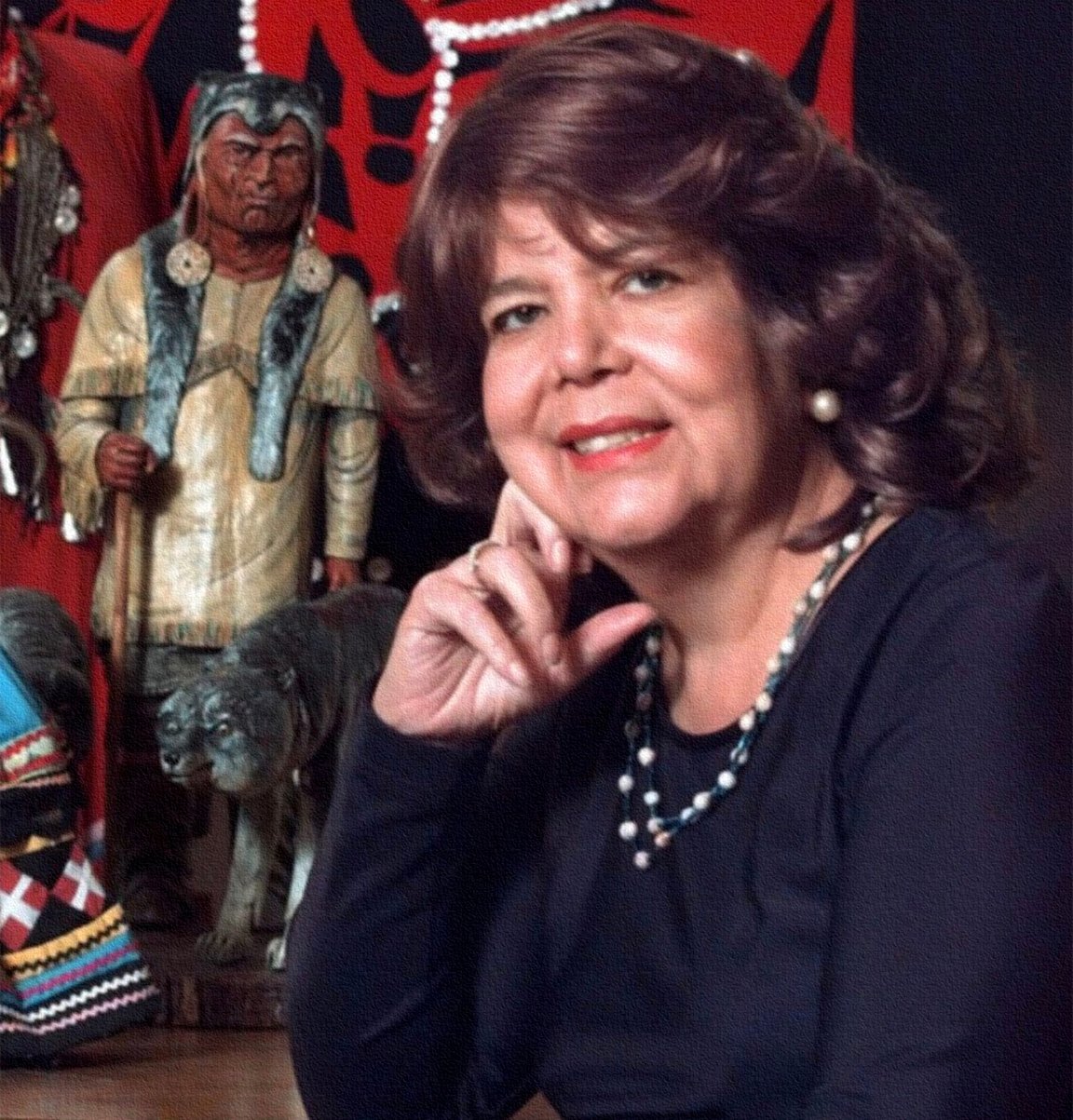
After leaving office, Mankiller continued to lecture, write, and advocate for Native American rights, women’s leadership, and social justice. Her 1993 autobiography, Mankiller: A Chief and Her People, became a national bestseller. She co-authored Every Day Is a Good Day: Reflections by Contemporary Indigenous Women.
She received numerous honors:
- Ms. Magazine Woman of the Year (1987)
- Induction into the Oklahoma Women’s Hall of Fame (1986) and National Women’s Hall of Fame (1993)
- Oklahoma Hall of Fame (1994)
- Presidential Medal of Freedom, awarded by President Bill Clinton in 1998, the nation’s highest civilian honor
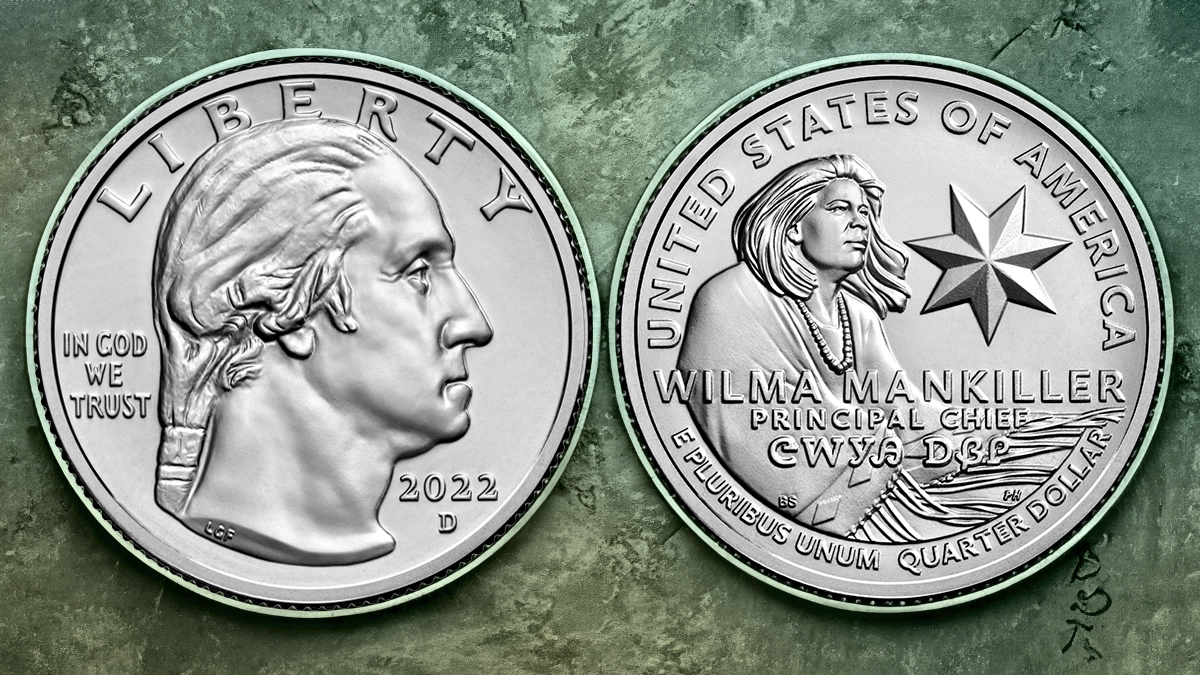
In 2022 the United States Mint issued a quarter featuring her likeness as part of the American Women Quarters Program. The reverse design shows her facing forward with a resolute expression, wearing a traditional shawl, beside the seven-pointed star of the Cherokee Nation, with her title in English and in the Cherokee syllabary.
Wilma Mankiller died of pancreatic cancer on April 6, 2010, at her home near Tahlequah at the age of 64. Her funeral was attended by Gloria Steinem, Oklahoma Governor Brad Henry, and many others who had worked with her.
Selected Quotations
“Remember that I am just a woman who is living a very abundant life. Every step I take forward is on a path paved by strong Indian women before me.”
“Cows run away from the storm while the buffalo charges toward it—and gets through it quicker. Whenever I’m confronted with a tough challenge, I do not prolong the torment, I become the buffalo.”
“Prior to my election, young Cherokee girls would never have thought that they might grow up and become chief.”
“If I am to be remembered, I want it to be because I am fortunate enough to have become my tribe’s first female chief. But I also want to be remembered for emphasizing the fact that we have indigenous solutions to our problems.”
Legacy
Mankiller’s tenure demonstrated that tribal government could be both culturally grounded and administratively effective. She expanded services while insisting on self-determination rather than dependence. Her example opened leadership pathways for Native women and remains a reference point for discussions of community development, sovereignty, and resilience.
The 2022 quarter and continued scholarly and public interest confirm that her work continues to be recognized well beyond the Cherokee Nation.
MANKILLER DOCUMENTARY
MANKILLER is a documentary celebrating a leader who defied all odds to make a difference for her people. During a time when American Indians found themselves disenfranchised and undervalued by the United States at large, Wilma emerged as a champion of the Cherokee Nation and became its first female Principal Chief in 1985.