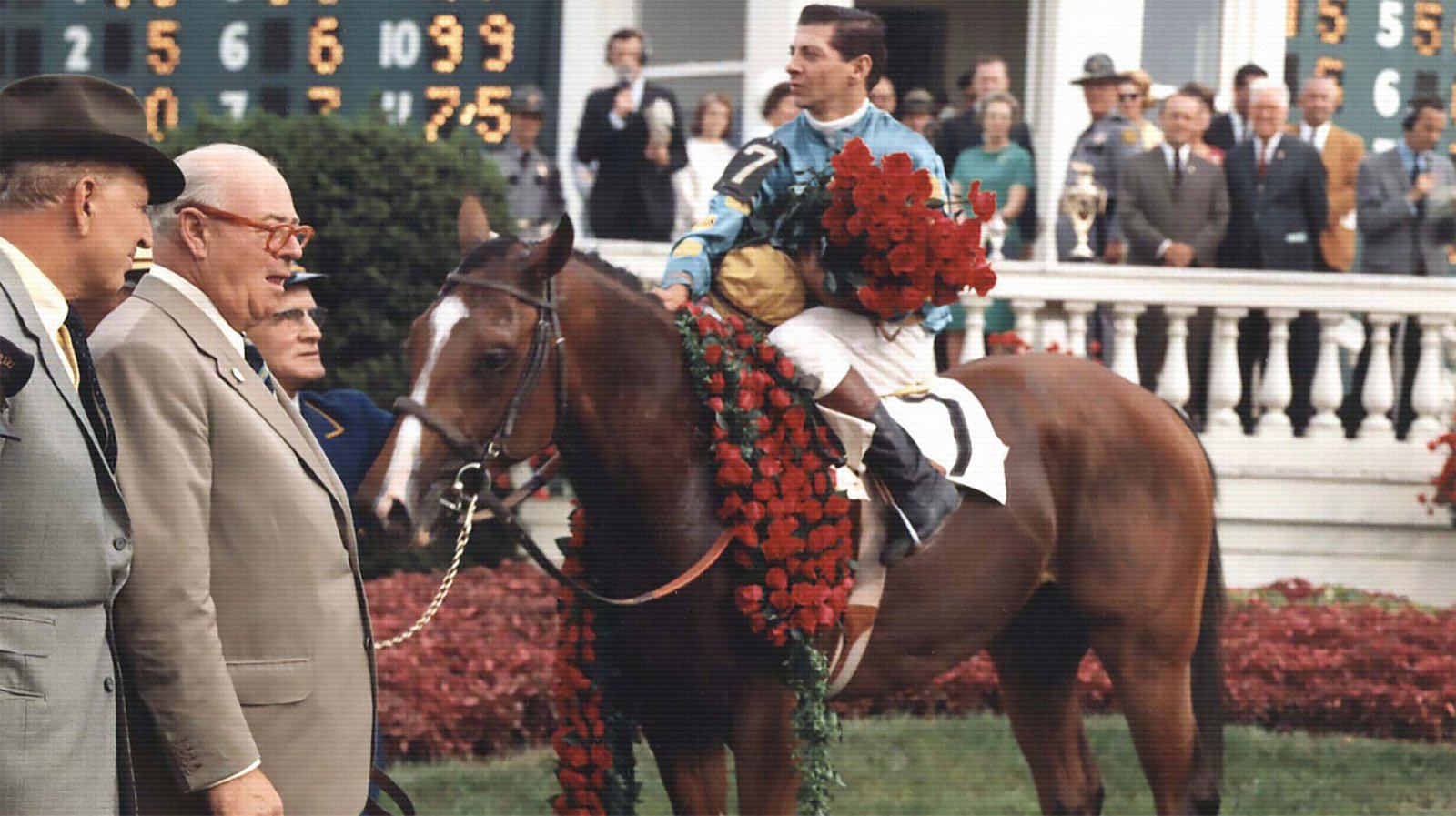
Northern Dancer, a Thoroughbred that became the first Canadian-bred horse to win the Kentucky Derby
Northern Dancer. The Legend and his Legacy
A hero on the racetrack and a legend as a stallion, Northern Dancer won major races such as the Kentucky Derby and Preakness Stakes and had a monumental impact on the sport through the remarkable success of his progeny.
The story of Northern Dancer is the stuff of legend. He was a little horse, dismissed time and again because of his size, and to many he appeared to be thoroughbred elegance.
Today, however, his descendants dominate racing the world over, and Northern Dancer is recognized as the greatest thoroughbred sire in modern history.
Northern Dancer, a Thoroughbred that, in 1964, became the first Canadian-bred horse to win the Kentucky Derby. After being retired from racing, he became one of the most successful sires of the 20th century.
He is considered a Canadian icon and was inducted into the Canadian Sports Hall of Fame in 1965. Induction into the Racing Hall of Fame in both Canada and the United States followed in 1976.
Northern Dancer was born on May twenty-seventh, nineteen sixty-one, at E.P. Taylor’s Windfields Farm in Oshawa, Ontario. A bay colt with a crooked blaze and three white socks, he was the first foal of Natalma—a daughter of the great Native Dancer—and the first crop of Nearctic, a Canadian Horse of the Year.
He was small
He was small. At the yearling sale the next year he failed to reach the twenty-five-thousand-dollar reserve and stayed home. Critics called him a pocket battleship. But under trainer Horatio Luro he proved them wrong.
As a two-year-old he won seven of nine starts, including the Summer Stakes, Coronation Futurity, and Remsen, and took the Canadian juvenile championship.
At three he swept the Flamingo, Florida Derby, and Blue Grass, then on May second, nineteen sixty-four, he broke the eighty-nine-year-old Kentucky Derby record with a two-minute flat run under Bill Hartack—the first Canadian-bred horse ever to win it.
Two weeks later he took the Preakness. A tendon strain cost him the Belmont, but he came home and won the Queen’s Plate by seven and a half lengths in his final race.
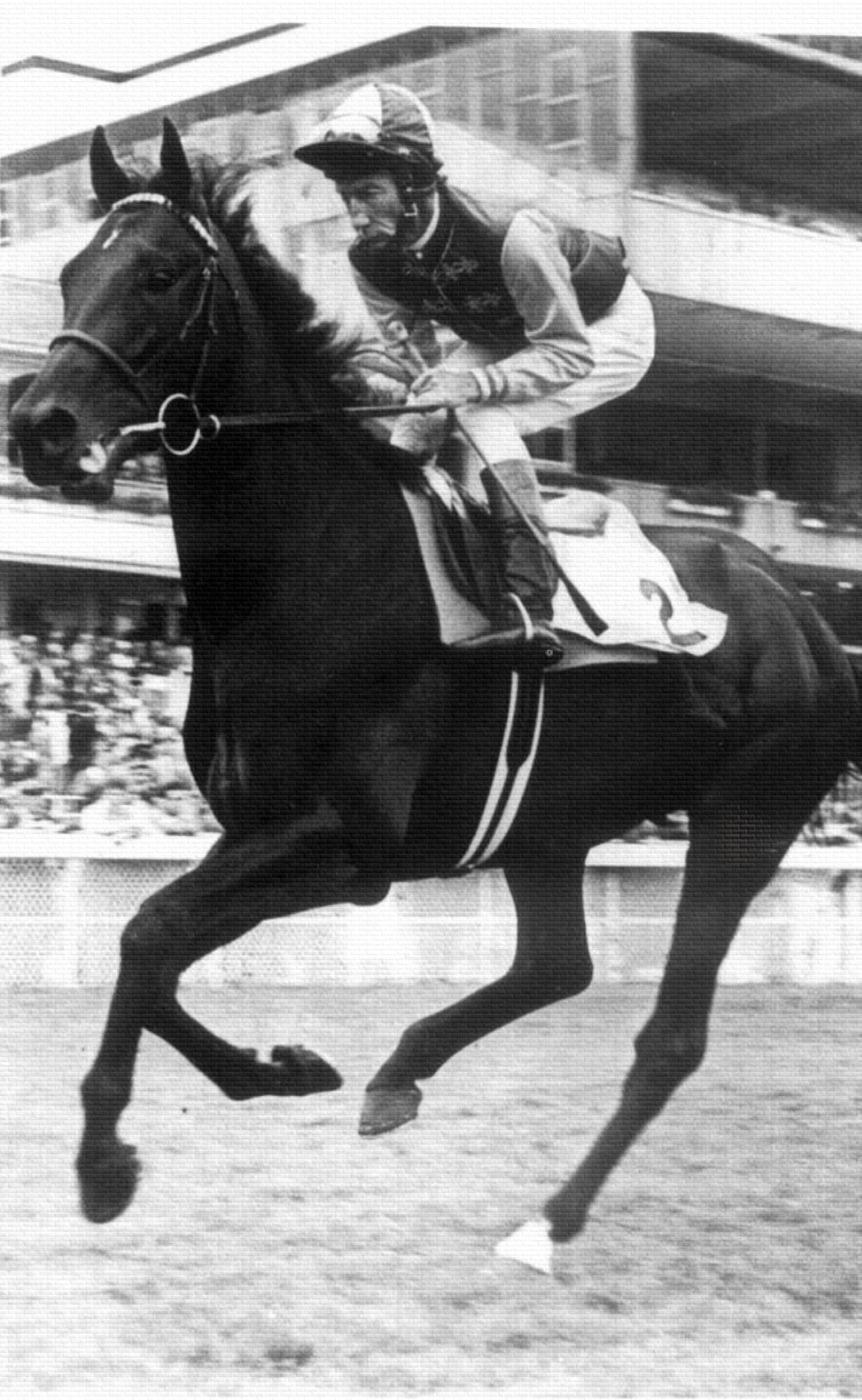
Fourteen wins from eighteen starts, never worse than third, five hundred eighty thousand dollars earned. Canadian Horse of the Year, American champion three-year-old colt. The first animal inducted into the Canadian Sports Hall of Fame.
Retired to stud at ten thousand dollars a season, he became the most influential sire of the twentieth century. His first crop produced ten stakes winners. His second gave the world Nijinsky the Second, the first English Triple Crown winner in thirty-five years. Sons like Sadler’s Wells, Danzig, Lyphard, and Nureyev carried the line across continents.
Stud fees climbed past a million dollars. A European syndicate once offered forty million for him at age twenty; Taylor refused.
He was pensioned in nineteen eighty-seven. On November fifteenth, nineteen ninety, colic struck. He was euthanized the next morning at twenty-nine. His body was shipped back to Windfields and buried between the barn where he was born and the one where his first classic runner was raised.
His blood still runs through nearly every modern Thoroughbred. The little horse nobody wanted rewrote the breed.