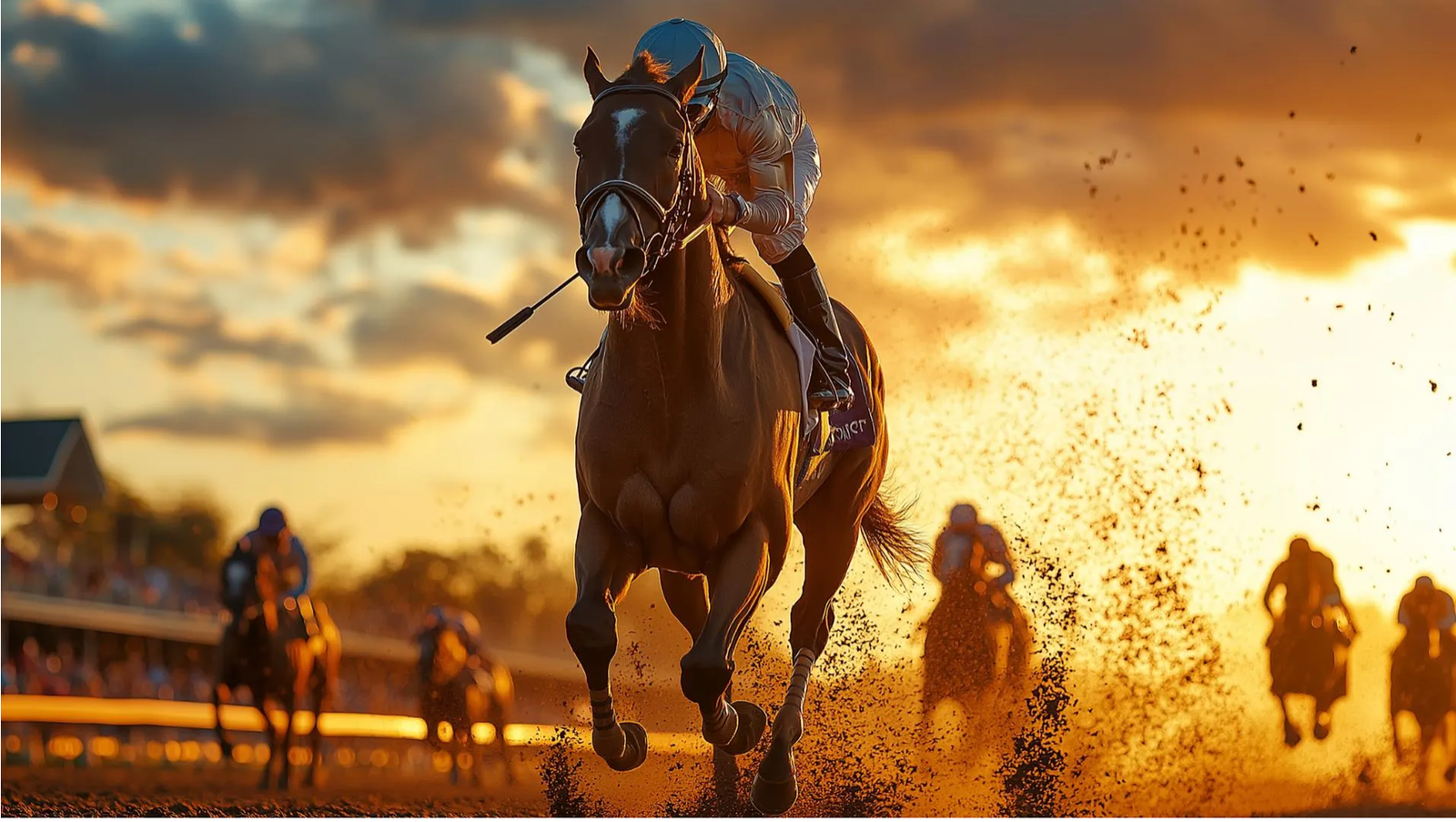
Twelve horses died at Churchill Downs around the 2023 Derby. On Sept. 19 a 2-year-old named Lutkenhaus went down on the far turn and was euthanized. Officials still say there is no single cause.
Churchill Downs, the gap between the brand and the body count
Churchill Downs is both a 151-year-old racetrack and a publicly traded gaming company. The history that matters for the accident you asked about is the gap between the brand and the body count.
Founding (1874–1875)
Col. Meriwether Lewis Clark Jr.—grandson of explorer William Clark—wanted an American version of England’s Epsom Derby. He leased 80 acres from his uncles John and Henry Churchill, sold 320 memberships at $100 each ($32,000), and opened the Louisville Jockey Club on May 17, 1875.
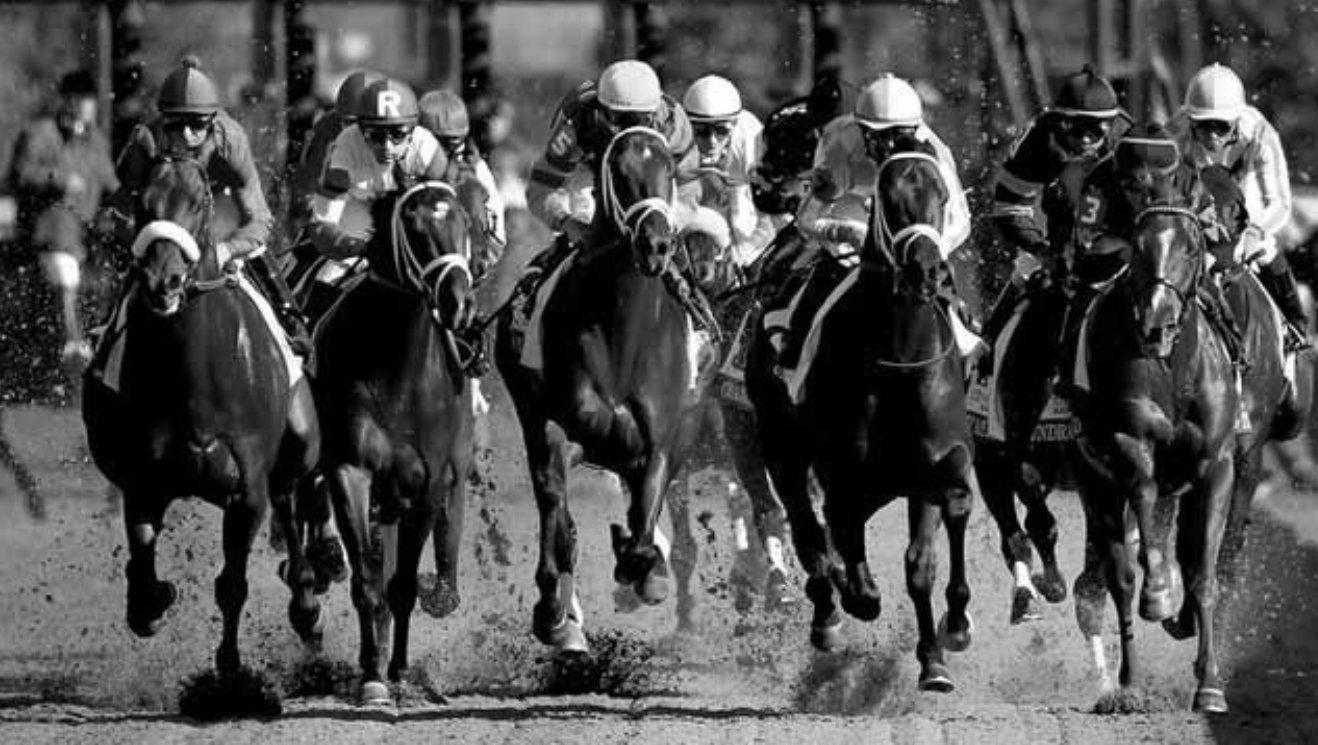
The first Kentucky Derby was 1½ miles. Aristides won it, ridden by Oliver Lewis and trained by Ansel Williamson—both African American, both born into slavery.
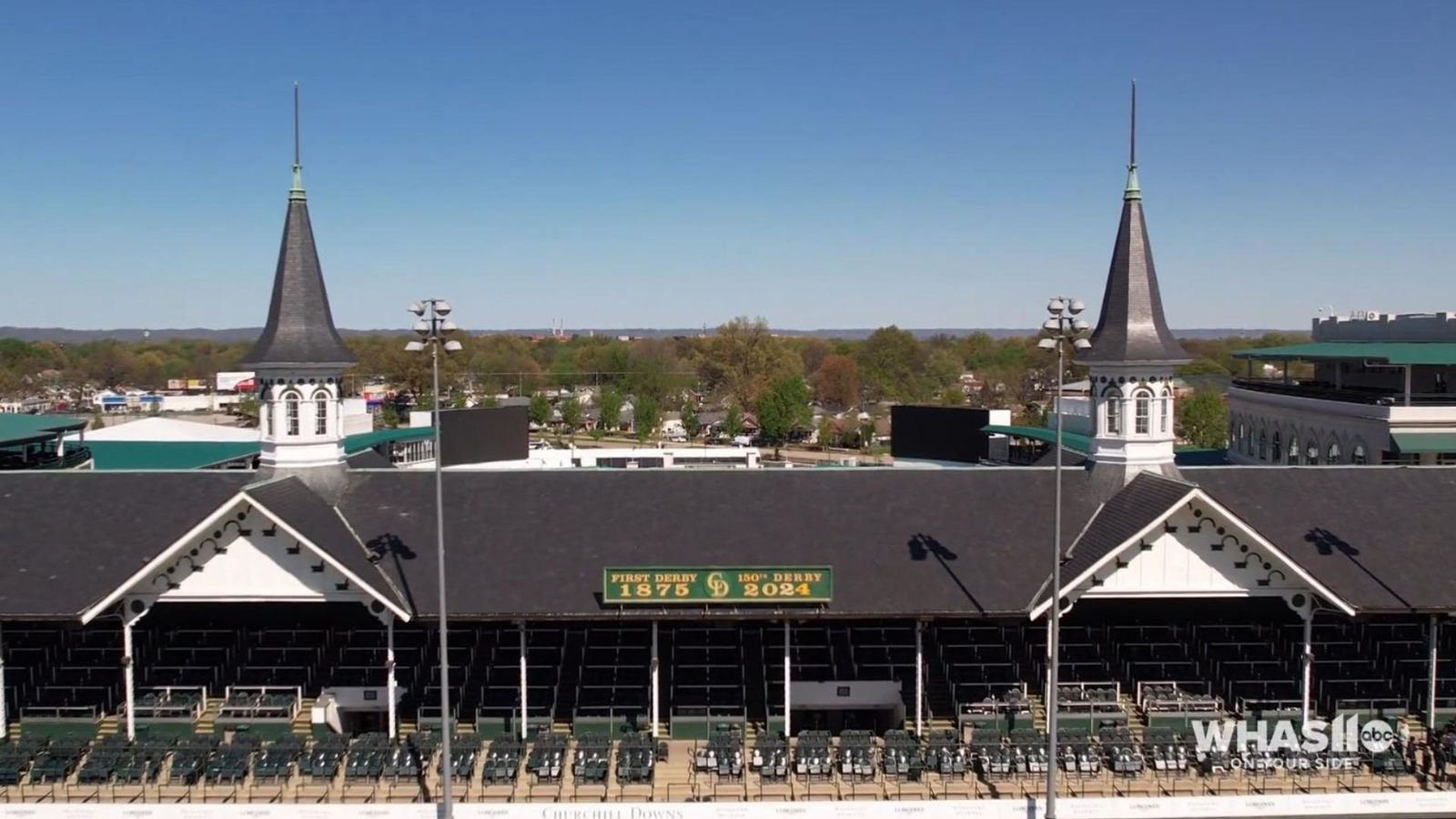
Thirteen of the 15 jockeys that day were Black. The track was formally named Churchill Downs in 1883. The Derby was shortened to 1¼ miles in 1896; the twin-spire grandstand went up in 1895; the rose garland tradition started the same year.
The part the marketing usually skips
Black jockeys won 15 of the first 28 Kentucky Derbies. Isaac Murphy won three (1884, 1890, 1891) and is still cited for one of the highest win percentages in the sport. Jimmy Winkfield won back-to-back in 1901–02—the last Black jockey to win the Derby. Alonzo Clayton and James “Soup” Perkins each won it at age 15.
Jim Crow pushed them out. After Winkfield’s era, Black riders essentially vanished from the Derby until Marlon St. Julien in 2000. That is documented history, not a theory.|
Near collapse, then Matt Winn
The track was a financial failure for decades. Clark sold it in 1894. By 1902 it was close to bankruptcy. A Louisville syndicate that included tailor-turned-showman Matt Winn bought it for about $40,000. Winn attended the first Derby as a 14-year-old and every Derby until he died in 1949.
What he actually did:
- First profitable year in 1903
- Switched to French pari-mutuel machines in 1908 when Louisville cracked down on bookmakers (he had to hunt down six broken machines and get a court injunction)
- Dropped the minimum bet to $2 so working people could play
- Courted celebrities and society women
- Landed the filly Regret in 1915 and later said that win “made” the Derby as a national event
- Kept the Derby running in 1943 during WWII when the government wanted it paused
Traditions often credited to “the Derby”—“My Old Kentucky Home,” the gold cup, mint-julep glasses, the roses—were marketing Winn built.
From club to corporation
Corporate lineage:
- 1928: American Turf Association holding company
- 1942: Name becomes Churchill Downs Incorporated after selling Latonia
- 1950: Independent public company
- 1990s onward: simulcasting, then casinos, historical racing machines, and online betting
Today Churchill Downs Incorporated (NASDAQ: CHDN) is a diversified gaming firm headquartered in Louisville. CEO since 2014: William C. Carstanjen. 2025 revenue was reported around $2.93 billion.
Large holders include Vanguard and BlackRock. The Louisville dirt oval is the flagship brand, not the whole business.
It has hosted the Breeders’ Cup nine times (last in 2018) and is a National Historic Landmark (1986).
Drug scandals that actually happened
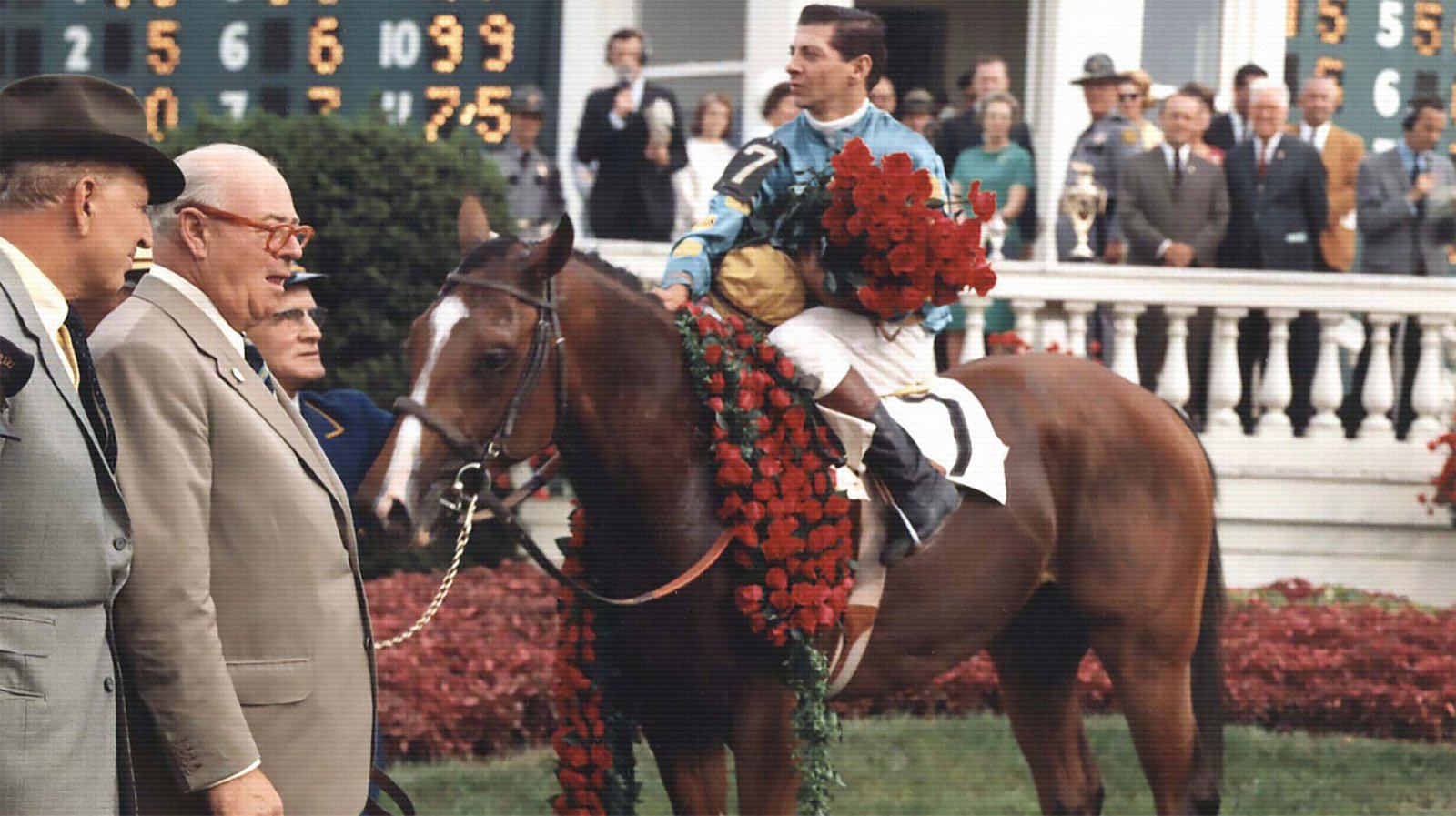
1968 — Dancer’s Image. Only Derby winner ever disqualified. Post-race test found phenylbutazone (“bute”), then illegal on race day at Churchill though legal in training. The case dragged through courts for years. It remains the Derby’s only official drug DQ.
2021 — Medina Spirit / Bob Baffert. Derby winner tested positive for betamethasone. Churchill banned Baffert from its tracks for two years.
Baffert’s horses have a long record of medication positives; this one was the highest-profile.
Those are verified lab results and track sanctions, not rumors.
The fatality record
This is the through-line from the Sept. 19, 2026 spill back to the 2023 crisis.
Spring 2023. Twelve horses died at Churchill between April 27 and May 27—seven in the Derby-week window, two on Derby Day itself. Churchill moved the rest of the spring meet to Ellis Park. PETA and others demanded a full shutdown.
HISA’s September 12, 2023 report found:
- No causal link to the dirt or turf surface
- No prohibited substances in the 12 horses
- No single medical pattern
- Higher-than-average racing and high-speed workout frequency in some of the dead horses (fatigue/overuse risk)
- Causes mixed: four dirt racing fractures, two turf racing fractures, two dirt soft-tissue injuries, two exercise-associated sudden deaths, one paddock trauma, one training fracture. Six of seven inoperable fractures involved the fetlock.
HISA did not clear the industry. It said the lack of one cause meant they had to attack multiple risk factors. Critics (including independent vets quoted in The New York Times) said necropsies were incomplete without full treatment histories. Churchill upgraded surface equipment and tightened vet checks afterward.
Later numbers (HISA / Jockey Club Equine Injury Database):
- National racing fatality rate has fallen since 2009 (~2.0 per 1,000 starts then; ~1.07 in 2025 per Jockey Club EID).
- Churchill’s 2025 racing rate was reported at 1.62 per 1,000 starts (11 racing deaths), above HISA’s national member-track figure of about 1.05. That was up from 6 racing deaths the prior year. Training deaths are counted separately and add more.
Other documented deaths at the property include exercise rider Odanis “Cuba” Acuna, killed in a 2018 morning workout when a 2-year-old broke down. That was described at the time as the first known exercise-rider fatality at Churchill in decades.
September 19, 2026: 2-year-old Lutkenhaus suffered a catastrophic left-front injury on the far turn of a maiden race, five horses piled in, he was euthanized, three jockeys hospitalized, race declared no contest. Official statements came the same night. No public finding of a hidden cause has been released.
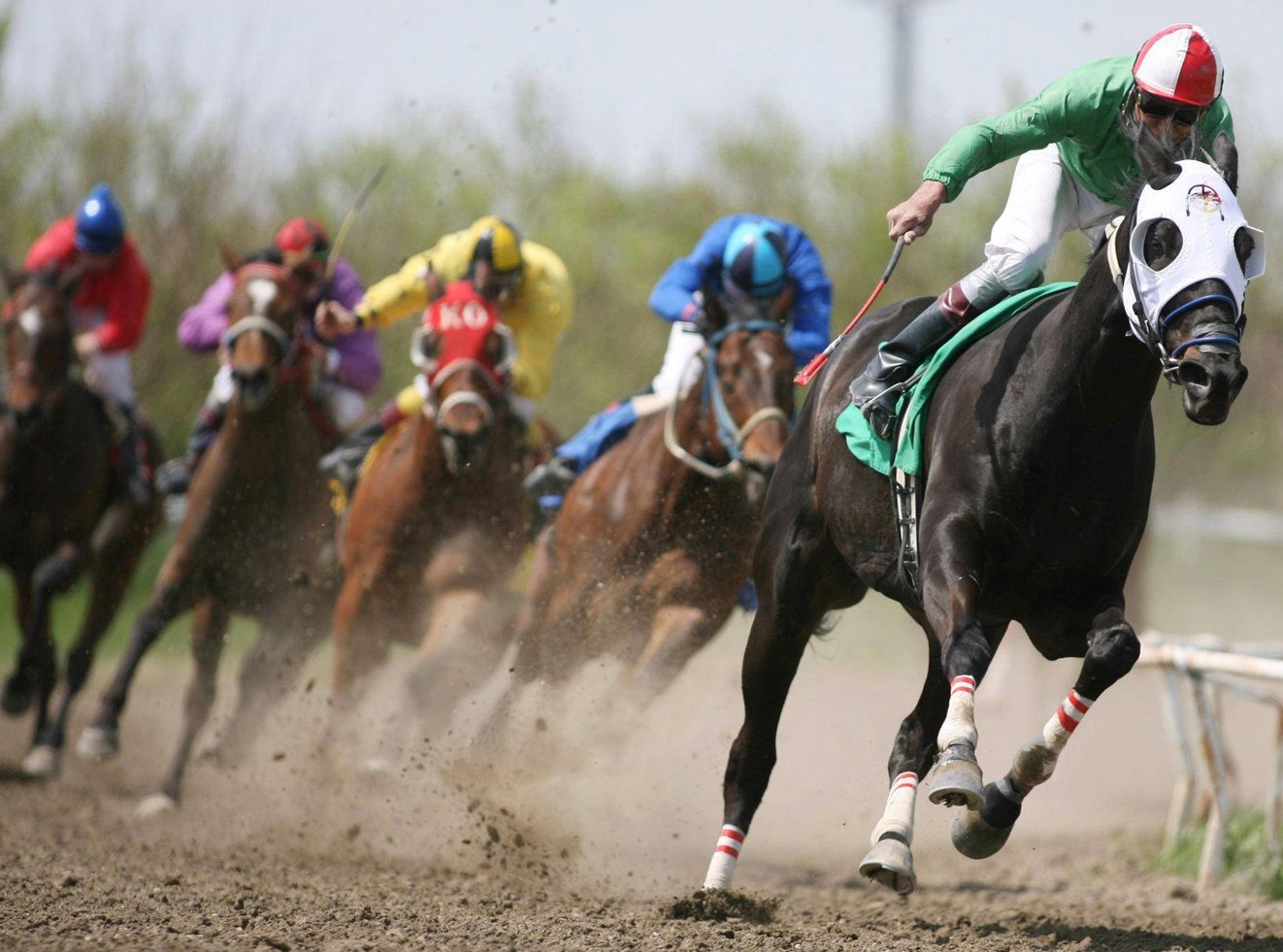
How to read this without a conspiracy and without a press release
What is solid:
- The track was built on Churchill family land by Clark, saved as a business by Winn, and turned into a casino-and-wagering conglomerate.
- Early Derby history is inseparable from Black jockeys and trainers who were later excluded.
- Medication positives at the Derby are rare but real (1968, 2021).
- Equine deaths at Churchill are not secret. They are logged, investigated, and still occur at rates that spike in clusters (2023) and sit above the national average in some recent years (2025).
- HISA’s 2023 finding was “no single cause,” not “nothing to see.” Overwork, young horses, dirt surfaces, and legal joint injections remain live debates.
What is not established:
- A proven, suppressed single cause for the 2023 cluster or the 2026 Lutkenhaus breakdown.
- That Churchill’s dirt surface was the primary driver in 2023 (HISA and surface experts said no).
- That every fatality is a cover-up. Many are public, videotaped, and followed by necropsy summaries. The fight is over how complete those records are and whether the sport’s economic model still treats catastrophic injury as an acceptable cost.